





Hybrid work models for employee satisfaction have become a game-changer in today’s evolving workplace. Picture this: you get the buzz of office collaboration a few days a week, paired with the comfort of your home setup for focused deep work. No wonder so many professionals are hooked. If you’re leading a team or shaping company policy, understanding hybrid work models for employee satisfaction isn’t optional—it’s essential for keeping talent happy and productive.
The shift to hybrid isn’t fading. Recent surveys show that around 70% of job seekers rank hybrid arrangements in their top preferences, with many reporting higher well-being and motivation. But what makes these models tick for satisfaction? Let’s unpack it step by step, with practical insights to help you nail it.
What Exactly Are Hybrid Work Models for Employee Satisfaction?
Hybrid work blends remote and in-office time, but it’s not one-size-fits-all. Some teams do “office-first” with 3-4 days on-site, others go “remote-first” with occasional office visits. The magic? Flexibility tailored to roles, teams, and individual needs.
Why does this boost employee satisfaction? It respects personal lives. Parents juggle school runs, commuters dodge rush-hour stress, and introverts recharge at home. Analogize it to a customizable playlist—everyone gets their favorite tracks without forcing the same album on the group.
Effective hybrid work models for employee satisfaction prioritize choice. Gallup reports that six in 10 employees with remote-capable jobs prefer hybrid setups, far outpacing fully remote or on-site preferences.


The Proven Benefits of Hybrid Work Models for Employee Satisfaction
Let’s talk wins. Hybrid isn’t just trendy—data backs its impact.
Enhanced Work-Life Balance and Reduced Burnout
Hybrid workers often report better sleep, more exercise, and lower stress. One study highlighted improvements in quality of life, with employees feeling healthier overall. Flexibility means no more rigid 9-to-5 grind, leading to fewer sick days and higher energy.
Boosted Productivity and Motivation
Surprising, right? Many assume office oversight drives output, but hybrid often proves otherwise. Around 72% of workers say they’re more productive in hybrid setups, with 83% feeling sharper than in full office environments. Quiet home days tackle big tasks; office days spark brainstorming.
Higher Retention and Job Satisfaction
Turnover drops significantly. Stanford research found hybrid arrangements cut attrition by a third without hurting performance or promotions. Employees feel trusted, leading to loyalty. In Canada, 79% linked hybrid flexibility to improved well-being.
Access to Broader Talent and Inclusion
Companies hire globally without relocation. This diversity fuels innovation and makes underrepresented groups feel included—think caregivers or those with disabilities.
Hybrid work models for employee satisfaction create a ripple effect: happier teams mean stronger business outcomes.
Challenges in Hybrid Work Models for Employee Satisfaction—And How to Overcome Them
No model is perfect. Hybrid brings hurdles that can erode satisfaction if ignored.
Proximity Bias and Career Concerns
In-office folks might snag visibility for promotions, leaving remote workers sidelined. This “out of sight, out of mind” vibe frustrates many.
Solution: Intentional equity. Track contributions via outcomes, not face time. Rotate meeting leaders and ensure virtual voices are amplified.
Collaboration and Team Cohesion Issues
Spontaneous chats happen easier in-person. Hybrid can feel disjointed, with “us vs. them” between office and home workers.
Fix it with structured touchpoints: dedicated collaboration days, virtual coffee breaks, and inclusive tools.
Communication Gaps and Isolation
Blurred boundaries lead to overwork or loneliness on remote days.
Combat with clear guidelines—no emails after hours—and regular check-ins focused on well-being.
Tech and Equity Disparities
Not everyone has a great home setup. Unequal access breeds resentment.
Provide stipends for ergonomics or hotspots, and standardize tools.
Addressing these head-on is key to sustaining hybrid work models for employee satisfaction.
Best Practices for Implementing Hybrid Work Models for Employee Satisfaction
Ready to optimize? Here’s how leaders make hybrid thrive.
Start with Employee Input
Survey preferences early. What days suit collaboration? Which roles need office access? Co-create policies for buy-in.
Define Clear Guidelines and Expectations
Spell out core hours, office days, and response times. Use a hybrid charter to avoid confusion.
Invest in the Right Technology
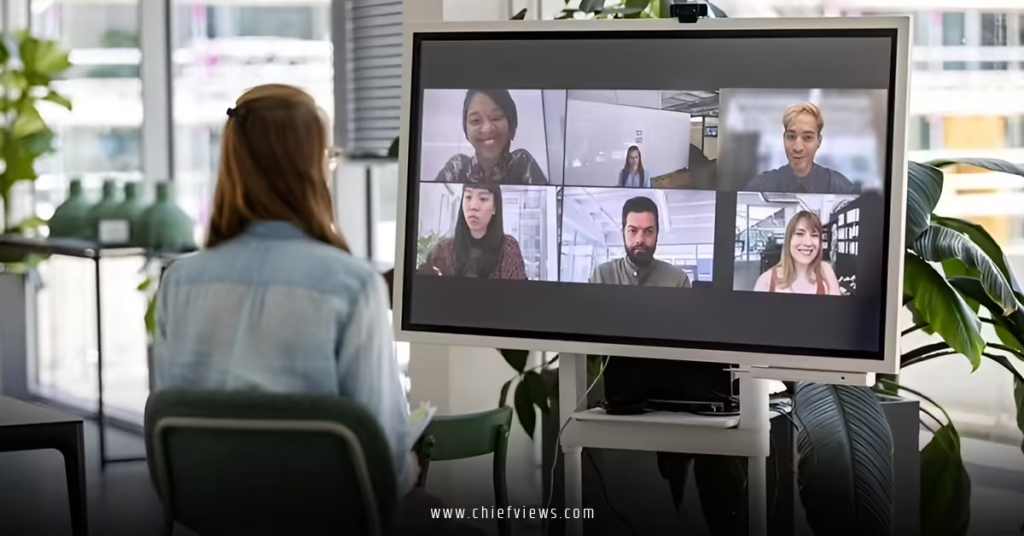
Seamless tools are non-negotiable: video platforms, collaboration suites, and hot-desking software. Train everyone thoroughly.
Foster Intentional In-Person Time
Make office days count—team-building, strategy sessions, not solo work. This maximizes value and connection.
Prioritize Well-Being and Development
Offer mental health resources, flexible hours, and growth paths visible to all. Regular pulse surveys catch issues fast.
Measure and Iterate
Track metrics: engagement scores, retention, productivity. Adjust based on feedback.
These practices turn potential pitfalls into strengths.
The Role of Leadership in Hybrid Work Models for Employee Satisfaction
Leaders set the tone. Model balance—take remote days yourself. Focus on empathy: ask “How are you really?” not just “What did you deliver?”
Building on broader CHRO strategies for remote workforce management, hybrid success requires trust-first leadership. Outcomes over hours, inclusion over assumption.
For deeper insights on managing distributed teams, explore comprehensive CHRO strategies for remote workforce management—they complement hybrid approaches perfectly.
How Hybrid Work Ties Into Broader Remote Strategies
Hybrid isn’t isolated; it’s an evolution of remote work. Strong foundations in communication, culture, and performance management (core to CHRO strategies for remote workforce management) make hybrid seamless.
For instance, async communication skills from fully remote setups shine in hybrid. Virtual onboarding preps everyone equally.
As we head into 2026, trends point to more personalized hybrids: compressed weeks, flextime, and AI-assisted scheduling.
The Future of Hybrid Work Models for Employee Satisfaction
Looking ahead, hybrid will dominate. PwC’s surveys show high satisfaction in flexible industries. Companies resisting risk losing talent—flexibility is now table stakes.
Smart organizations will use data for hyper-personalized models, blending AI insights with human touch.
Check Gallup’s hybrid work indicator for ongoing trends.
For practical tools, Stanford’s research on hybrid benefits offers evidence-based wins.
And don’t miss Forbes’ take on hybrid pros and cons for balanced views.
Conclusion: Embrace Hybrid Work Models for Lasting Employee Satisfaction
Hybrid work models for employee satisfaction aren’t a passing fad—they’re the future of engaged, resilient teams. By offering flexibility, fostering inclusion, and tackling challenges proactively, you unlock higher productivity, lower turnover, and genuine happiness at work.
Start small, listen closely, and iterate. Your employees will thank you with loyalty and top performance. Isn’t that the ultimate win? Dive in and make hybrid your competitive edge.
FAQs
1. How do hybrid work models for employee satisfaction impact productivity?
Most studies show boosts, with 72-83% of workers reporting higher output thanks to focused remote days and collaborative office time.
2. What are common challenges in hybrid work models for employee satisfaction?
Proximity bias, communication gaps, and isolation top the list, but clear policies and inclusive practices can mitigate them effectively.
3. Why do employees prefer hybrid work models for employee satisfaction?
Flexibility improves work-life balance, reduces commute stress, and builds trust, leading to better well-being and motivation.
4. How can leaders support hybrid work models for employee satisfaction?
By modeling balance, prioritizing outcomes, investing in tech, and gathering regular feedback to refine approaches.
5. Are hybrid work models for employee satisfaction here to stay in 2026?
Absolutely—trends show increasing adoption, with personalized flexibility becoming the norm for talent attraction.