




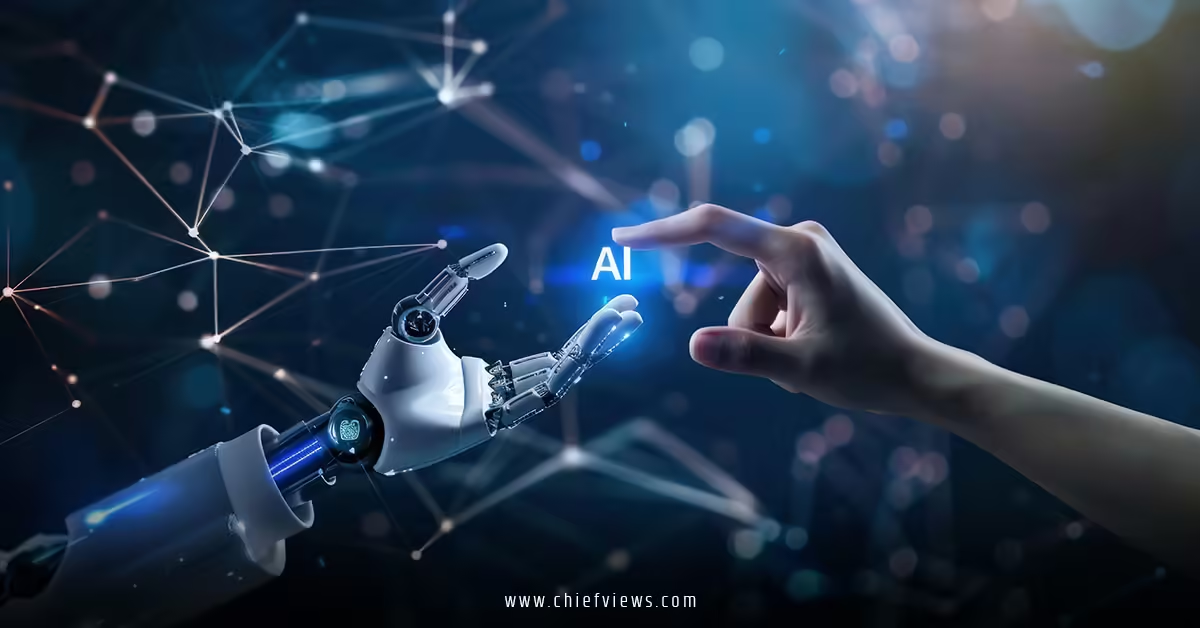
AI in digital transformation, a game-changing force that’s reshaping industries by embedding intelligent technologies into everyday operations. In this article, we’ll explore how AI in digital transformation is not just a buzzword but a strategic powerhouse that drives efficiency, innovation, and growth, while linking back to essential roles like that of a CTO.
What is AI in Digital Transformation and Why Does It Matter?
AI in digital transformation refers to the integration of artificial intelligence technologies—such as machine learning, natural language processing, and predictive analytics—into a company’s core processes to create more agile, data-driven organizations. Think of it like upgrading from a basic bicycle to a smart electric bike that adjusts its speed based on terrain; AI doesn’t just speed things up, it makes the journey smarter and more intuitive.
In today’s fast-paced world, AI in digital transformation is essential for staying competitive. According to a report from McKinsey, businesses leveraging AI could see productivity gains of up to 40% by 2030. Why? Because AI automates routine tasks, uncovers hidden patterns in data, and enables personalized customer experiences. For instance, if you’re running an e-commerce site, AI can analyze shopping behaviors to recommend products, boosting sales without human intervention. This isn’t just tech for tech’s sake—it’s about solving real problems, much like how a skilled chef uses precise tools to create a masterpiece meal.
As we dive deeper, remember that AI in digital transformation often intersects with leadership strategies, such as those outlined in our article on the CTO Role in Digital Transformation Strategy, where CTOs play a pivotal role in implementing these technologies.
The Key Benefits of AI in Digital Transformation
Let’s get into the nitty-gritty: what makes AI in digital transformation so transformative? It’s like having a crystal ball that not only predicts the future but also helps you shape it.


Enhancing Operational Efficiency
One of the biggest wins with AI in digital transformation is streamlining operations. Imagine your supply chain as a busy highway—AI acts as the traffic controller, optimizing routes and reducing delays. For example, predictive maintenance powered by AI can foresee equipment failures, saving manufacturers millions in downtime costs. A study by Deloitte highlights that AI-driven automation can cut operational expenses by 30%, allowing businesses to redirect resources toward innovation.
In the context of AI in digital transformation, this efficiency isn’t limited to large corporations. Small businesses can use AI tools like chatbots for customer service, handling inquiries 24/7 without hiring extra staff. Have you ever waited on hold for ages? AI fixes that, making interactions seamless and frustration-free.
Driving Data-Driven Decision Making
AI in digital transformation turns raw data into actionable insights. It’s like having a personal advisor who sifts through mountains of information to spot trends. Businesses can use AI algorithms to forecast market shifts, personalize marketing campaigns, or even detect fraud in real-time. According to Gartner, organizations that prioritize AI in digital transformation are twice as likely to outperform their peers in revenue growth.
This benefit ties back to strategic oversight, as discussed in the CTO Role in Digital Transformation Strategy, where CTOs ensure AI insights align with broader business goals.
Fostering Innovation and Customer Experience
Beyond efficiency, AI in digital transformation sparks creativity. Ever used a voice assistant like Siri? That’s AI enhancing user experience by understanding natural language. Companies like Netflix use AI to curate content recommendations, keeping viewers hooked and reducing churn rates by up to 25%, as per industry reports.
In a world where customer expectations are sky-high, AI helps businesses innovate by creating personalized experiences. But it’s not all smooth sailing—successful implementation requires a holistic approach, blending technology with human elements.
Challenges in Implementing AI in Digital Transformation and How to Overcome Them
Of course, AI in digital transformation isn’t without hurdles. It’s like planting a garden; you need the right soil, seeds, and care to make it thrive.
Data Privacy and Ethical Concerns
One major challenge is navigating data privacy. With AI relying on vast datasets, issues like bias and security breaches can arise. For instance, if AI algorithms aren’t trained properly, they might perpetuate inequalities. To counter this, companies must adopt ethical AI frameworks, such as those from the World Economic Forum, emphasizing transparency and fairness.
In AI in digital transformation, overcoming this involves regular audits and compliance with regulations like GDPR. As a business leader, ask yourself: How can we use AI responsibly without compromising trust?
Skill Gaps and Integration Issues
Another roadblock is the talent shortage. Not everyone has the skills to implement AI, making integration tricky. Think of it as trying to assemble IKEA furniture without instructions—frustrating and inefficient. Solutions include investing in training programs or partnering with AI experts.
Reports from IBM show that upskilling employees in AI can lead to a 20% increase in project success rates. This is where the CTO Role in Digital Transformation Strategy becomes crucial, as CTOs can guide teams through these transitions.
High Costs and ROI Measurement
Initial costs for AI in digital transformation can be steep, from software to infrastructure. But the ROI is undeniable when measured correctly. For example, a Forbes study found that AI investments yield an average return of 3.5 times the cost within three years. To maximize this, start with pilot projects to demonstrate value before scaling up.

Real-World Examples of AI in Digital Transformation
To make this real, let’s look at success stories. AI in digital transformation is already making waves across sectors.
Take healthcare: Companies like IBM Watson use AI to analyze medical images, helping doctors detect diseases earlier and improving patient outcomes by 15%. It’s like giving doctors superpowers to see what the human eye might miss.
In retail, Amazon’s AI-powered warehouses optimize inventory and delivery, cutting fulfillment times dramatically. These examples show how AI in digital transformation can create competitive advantages, much like how a well-oiled machine outperforms a rusty one.
Future Trends in AI in Digital Transformation
Looking ahead, AI in digital transformation will evolve with trends like edge AI, which processes data closer to the source for faster decisions, and responsible AI for sustainable practices. By 2025, the AI market is projected to reach $190 billion, per Statista, driven by advancements in quantum computing.
As businesses adapt, integrating these trends will be key, especially when aligned with executive strategies as explored in the CTO Role in Digital Transformation Strategy.
Conclusion: Embracing AI in Digital Transformation for Lasting Success
In summary, AI in digital transformation is more than a tool—it’s a strategic imperative that boosts efficiency, innovation, and competitiveness. By tackling challenges head-on and leveraging its benefits, businesses can thrive in an increasingly digital world. If you’re ready to future-proof your organization, start by exploring how AI can fit into your plans today. What’s one step you’ll take to get started?
Frequently Asked Questions
How does AI in digital transformation improve business efficiency?
AI automates repetitive tasks and analyzes data for insights, leading to faster operations and cost savings, as seen in supply chain optimizations.
What role does ethics play in AI in digital transformation?
Ethics ensures AI is unbiased and secure, preventing issues like data breaches and building trust with users and stakeholders.
Can small businesses implement AI in digital transformation effectively?
Yes, with affordable tools like cloud-based AI platforms, small businesses can enhance customer experiences without massive investments.
How does AI in digital transformation link to leadership strategies?
It aligns with roles like the CTO, as detailed in our article on the CTO Role in Digital Transformation Strategy, for seamless integration.
What future trends should we watch in AI in digital transformation?
Trends like edge computing and AI ethics will make transformations more efficient and responsible, shaping the next wave of innovation.