



Overcoming challenges in IT legacy systems is a critical step for businesses aiming to thrive in today’s fast-paced digital environment, where outdated technology can hinder growth and innovation. As someone who’s navigated these waters, I know firsthand how legacy systems—those aging infrastructures that once powered success—can become bottlenecks, dragging down efficiency and security. In this article, we’ll explore practical strategies to tackle these issues, drawing connections to broader concepts like enterprise modernization strategies driven by CTOs, and equip you with actionable insights to transform your IT landscape.
What Are IT Legacy Systems and Why Do They Pose Problems?
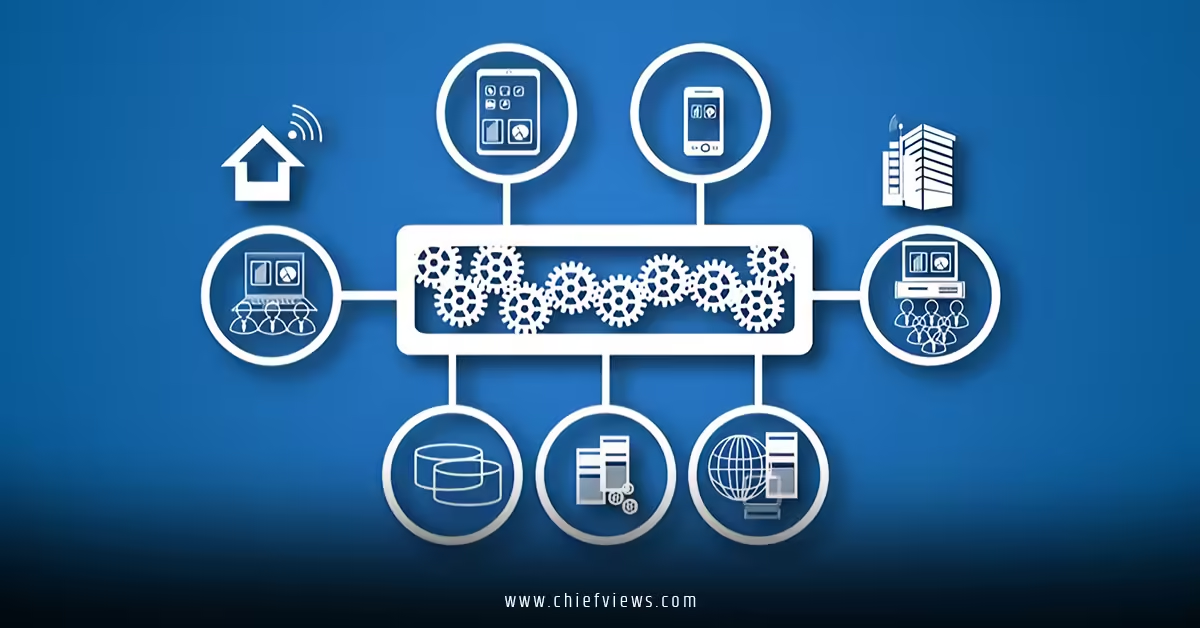
IT legacy systems refer to outdated software, hardware, or processes that have been in use for years, often becoming integral to daily operations. Think of them as that reliable old car in your garage—it’s served you well, but now it’s guzzling gas and breaking down at inopportune times. These systems were built for a different era, lacking the scalability and integration needed for modern demands like cloud computing or real-time data processing.
The problems arise when these systems can’t keep up with evolving business needs. For instance, they might not support mobile access or handle big data, leading to inefficiencies that cost time and money. Have you ever wondered why some companies struggle with innovation? It’s often because their legacy systems create silos, preventing seamless data flow and collaboration across teams.
The Most Common Challenges in IT Legacy Systems
Overcoming challenges in IT legacy systems starts with identifying the key obstacles. Here are the primary ones:
- Integration Issues: Legacy systems often use proprietary formats that don’t play nice with new technologies, making it hard to connect them to modern tools. This can result in data inconsistencies and delayed decision-making.
- Security Vulnerabilities: As cyber threats evolve, these older systems become easy targets, lacking built-in protections like encryption or multi-factor authentication. It’s like leaving your front door unlocked in a high-crime neighborhood.
- High Maintenance Costs: Keeping legacy systems running requires specialized skills and parts that are increasingly rare, driving up expenses. Businesses might spend more on patches than on innovation, stifling growth.
- Performance Limitations: They struggle with today’s data volumes, leading to slow response times and downtime. Imagine trying to stream a movie on dial-up internet—frustrating and inefficient.
In the context of enterprise modernization strategies driven by CTOs, these challenges highlight the need for proactive upgrades to align IT with business goals.

Strategies for Overcoming Challenges in IT Legacy Systems
To effectively overcome challenges in IT legacy systems, businesses must adopt a structured approach, often led by visionary CTOs. These strategies not only address immediate pain points but also pave the way for long-term agility. Let’s break it down step by step.
Assessing and Planning for Modernization
The first step is a thorough assessment of your current systems. Start by conducting an audit to identify what’s working and what’s not. For example, use tools like inventory software to map out dependencies and risks. This planning phase is where enterprise modernization strategies driven by CTOs come into play, as CTOs prioritize projects based on ROI and business impact.
Once assessed, create a roadmap. Break it into phases: short-term fixes like software updates and long-term overhauls like full migrations. A CTO might employ agile methodologies here, allowing for iterative improvements that minimize disruption.
Embracing Cloud Migration and Hybrid Solutions
One powerful way to overcome challenges in IT legacy systems is through cloud migration. By moving data and applications to the cloud, you gain flexibility and scalability that legacy setups lack. It’s like upgrading from that old car to a hybrid vehicle—efficient, adaptable, and ready for the future.
Consider hybrid models, which blend on-premise systems with cloud services. This approach lets you modernize gradually, reducing risks. In line with enterprise modernization strategies driven by CTOs, many leaders use platforms like AWS or Azure to facilitate this transition, ensuring seamless integration and cost savings.
The Role of Automation and AI in Legacy Upgrades
Automation tools can handle routine tasks, freeing up your team for more strategic work. For instance, AI-driven analytics can predict system failures before they occur, preventing costly downtimes. Have you ever thought about how AI could turn your legacy system’s weaknesses into strengths? CTOs often integrate these technologies to automate data migration and testing, making the process faster and less error-prone.
Building a Skilled Team and Fostering Change
Overcoming challenges in IT legacy systems isn’t just technical—it’s about people. Invest in training programs to upskill your workforce, ensuring they can handle new technologies. Resistance to change is common, so involve employees early with clear communication and demonstrations of benefits.
CTOs play a pivotal role here, championing a culture of innovation. By linking this to enterprise modernization strategies driven by CTOs, you can motivate teams to embrace change, perhaps through workshops or pilot projects that showcase quick wins.
Real-World Examples and Case Studies
Let’s look at how companies have successfully overcome challenges in IT legacy systems. Take a major bank that faced integration issues with its decades-old core banking software. By partnering with a CTO-led team, they migrated to a cloud-based platform, reducing processing times by 40% and enhancing customer experiences.
Another example is a manufacturing firm dealing with performance limitations. They implemented IoT sensors and automated monitoring, overcoming legacy constraints and improving efficiency. These stories underscore that with the right strategies, even the most entrenched systems can be transformed.
Lessons from Failures and How to Avoid Them
Not all attempts succeed, though. I’ve seen projects stall due to poor planning or inadequate budgeting. The key is to learn from these: conduct thorough risk assessments and involve stakeholders from the start. In the realm of enterprise modernization strategies driven by CTOs, failure often stems from overlooking the human element, so prioritize change management.
Future Trends in Overcoming IT Legacy Challenges
As technology advances, new trends will shape how we overcome challenges in IT legacy systems. Edge computing, for instance, brings processing closer to the source, reducing latency for real-time applications. Additionally, the rise of low-code/no-code platforms empowers non-technical users to update systems without extensive rewrites.
CTOs are at the forefront, incorporating sustainable practices like green IT to make modernizations eco-friendly. By staying ahead of these trends, businesses can future-proof their operations.
Conclusion
Overcoming challenges in IT legacy systems is essential for maintaining competitiveness in a digital world, transforming potential liabilities into assets through strategic planning and innovation. We’ve covered key strategies, from assessments to automation, and highlighted the role of leadership in driving change. If you’re grappling with outdated tech, remember that with the right approach, you can unlock new opportunities—so, take the first step today and revitalize your IT infrastructure.
Frequently Asked Questions
What are the main challenges associated with IT legacy systems?
IT legacy systems often face issues like security vulnerabilities, high maintenance costs, and integration problems, which can be addressed through targeted modernization efforts.
How does cloud migration help in overcoming challenges in IT legacy systems?
Cloud migration provides scalability and flexibility, helping to overcome performance limitations in IT legacy systems while integrating with modern tools for better efficiency.
Why is leadership important in overcoming challenges in IT legacy systems?
Effective leadership, such as through enterprise modernization strategies driven by CTOs, ensures that modernization projects align with business goals and gain team buy-in.
What tools can assist in assessing IT legacy systems?
Tools like auditing software and AI analytics can help identify weaknesses in IT legacy systems, paving the way for successful upgrades.
How can businesses prepare for future challenges in IT legacy systems?
By adopting trends like automation and edge computing, businesses can proactively overcome challenges in IT legacy systems and stay ahead in a rapidly evolving tech landscape.