




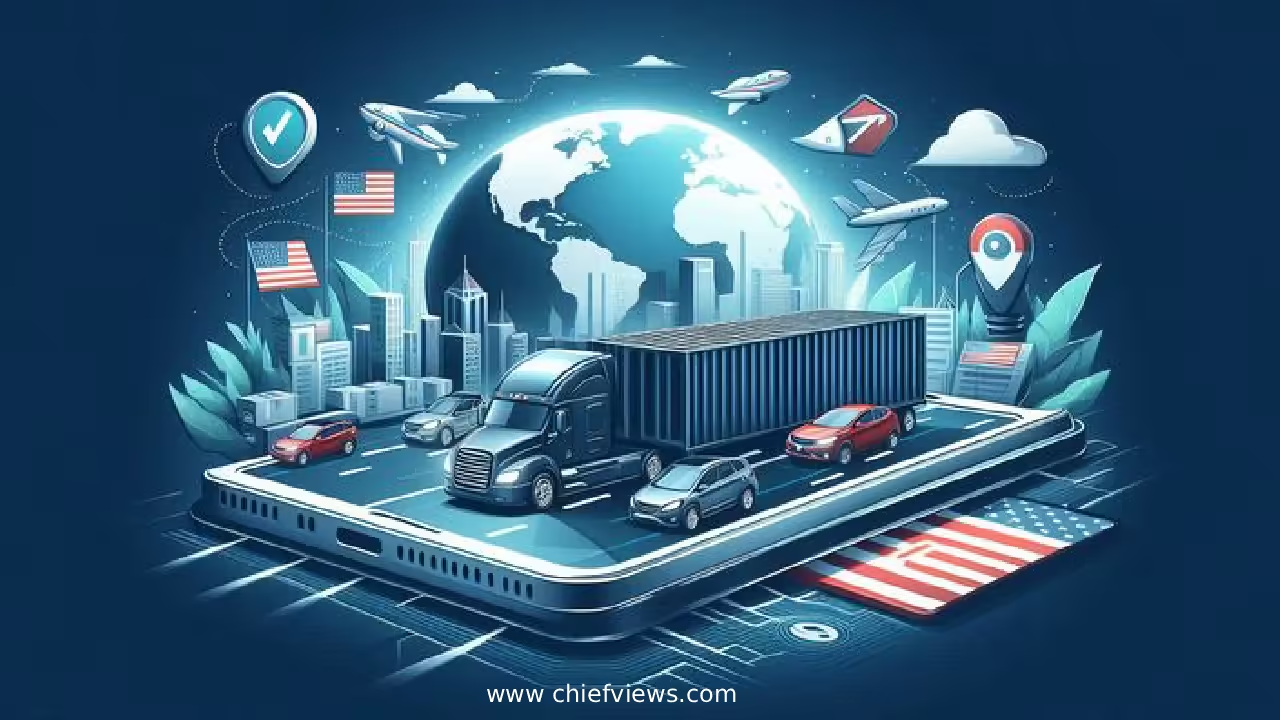
role of a new COO in streamlining global supply chains is pivotal, acting as the architect who redesigns operations to cut costs, boost efficiency, and navigate disruptions like pandemics or geopolitical shifts. In this article, we’ll dive into how a new Chief Operating Officer (COO) can drive these changes, drawing on real-world insights to make the process relatable and actionable for businesses of all sizes.
Understanding the Basics: What Does a COO Do?
Let’s start with the fundamentals. The role of a new COO in streamlining global supply chains involves overseeing day-to-day operations while strategically aligning them with broader business goals. Imagine the COO as the conductor of an orchestra, where suppliers, logistics, and inventory are the instruments—without their guidance, the symphony falls apart. In today’s volatile market, a new COO steps in to assess inefficiencies, from outdated software to fragmented partnerships, and implements solutions that enhance agility.
A new COO brings a fresh perspective, often identifying bottlenecks that veteran teams might overlook. For instance, they might analyze data from global shipping routes to reduce delays, leveraging tools like AI-driven analytics. According to a report by McKinsey, companies with proactive COOs can improve supply chain responsiveness by up to 30%, making this role essential for competitiveness. By focusing on integration, a COO ensures that procurement, manufacturing, and distribution work in harmony, ultimately supporting sustainable growth.
The Challenges in Global Supply Chains and Why a New COO Matters
Global supply chains are like a high-stakes game of Jenga—pull the wrong block, and everything tumbles. From raw material shortages to customs delays, these challenges have intensified with events like the COVID-19 pandemic and ongoing trade wars. The role of a new COO in streamlining global supply chains becomes crucial here, as they introduce innovative strategies to mitigate risks and foster resilience.
Think about it: A new COO might inherit a system bogged down by siloed departments, where communication lags cause costly errors. Their expertise allows them to conduct audits, perhaps using blockchain for transparent tracking, to pinpoint issues early. Research from the World Economic Forum highlights that supply chain disruptions can erode profits by 10-15%, underscoring the need for a COO who prioritizes digital transformation. By addressing these pain points, a new COO not only streamlines operations but also builds a framework that’s adaptable to future uncertainties.

Key Strategies for Streamlining: How a New COO Leads the Charge
So, how does a new COO actually make this happen? It’s all about deploying targeted strategies that turn chaos into order. The role of a new COO in streamlining global supply chains often starts with adopting lean methodologies, like just-in-time inventory, to minimize waste and cut storage costs. Picture this as decluttering your garage—you remove what’s unnecessary to make room for what’s essential.
One effective approach is building strategic partnerships. A COO might negotiate with suppliers in key regions, such as Asia or Europe, to create diversified sourcing options. For example, they could implement vendor management systems that use predictive analytics to forecast demand, preventing overstocking. As noted in a Harvard Business Review study, companies that embrace such tactics see a 20% reduction in operational costs. Additionally, a new COO fosters cross-functional teams, encouraging collaboration between IT and logistics to integrate technologies like IoT for real-time monitoring.
Diving Deeper: Technology Integration and Digital Tools
Let’s get specific—technology is the COO’s secret weapon. In the role of a new COO in streamlining global supply chains, embracing tools like enterprise resource planning (ERP) systems can automate workflows and provide actionable insights. Imagine ERP as the nervous system of your business, sending signals to optimize everything from order processing to delivery.
A new COO might also champion the use of AI and machine learning for demand forecasting, helping to avoid stockouts during peak seasons. However, it’s not just about tech; it’s about balancing innovation with practicality. Potential pitfalls, like data privacy concerns, must be addressed through robust cybersecurity measures. By layering these tools, a COO ensures that streamlining efforts are sustainable and scalable, drawing from successful case studies at companies like Amazon.
Human Elements: Training and Change Management
Don’t forget the people side—streamlining isn’t just about machines; it’s about empowering teams. A new COO plays a vital role in streamlining global supply chains by investing in employee training, turning staff into proactive problem-solvers. Rhetorical question: What good is a streamlined system if your team isn’t equipped to use it?
Through workshops and change management programs, a COO can cultivate a culture of continuous improvement. For instance, they might introduce agile methodologies, where teams hold regular stand-ups to address issues swiftly. This approach, supported by insights from Deloitte, can enhance employee engagement and reduce turnover, which indirectly boosts supply chain efficiency. After all, a motivated workforce is like a well-tuned engine—it keeps everything running smoothly.
Real-World Examples and Case Studies
To make this tangible, let’s look at some examples. Take a multinational retailer like Walmart, where a new COO spearheaded initiatives to streamline global supply chains by optimizing their network of distribution centers. By rerouting shipments and partnering with local vendors, they reduced delivery times by 15%, illustrating the role of a new COO in streamlining global supply chains effectively.
Another example is from the automotive industry, where Tesla’s COO focused on vertical integration, bringing more production in-house to cut dependency on external suppliers. This strategy, amid chip shortages, showcased how a fresh COO can pivot quickly, saving millions. These cases highlight that the role of a new COO in streamlining global supply chains isn’t theoretical—it’s proven to deliver measurable results, such as improved profit margins and customer satisfaction.

Measuring Success: KPIs and Outcomes
How do you know if your efforts are paying off? A new COO must establish key performance indicators (KPIs) to track progress. Metrics like on-time delivery rates, inventory turnover, and cost per unit are essential for evaluating the role of a new COO in streamlining global supply chains. Think of KPIs as your business’s report card—they provide clear benchmarks for success.
For instance, aiming for a 25% reduction in lead times can be a realistic goal, as evidenced by a Boston Consulting Group analysis. By regularly reviewing these metrics, a COO can make data-driven adjustments, ensuring that streamlining efforts lead to long-term gains. This not only enhances operational efficiency but also positions the company for competitive advantage in a global marketplace.
The Benefits: Why Invest in a New COO for Supply Chain Streamlining
Investing in a new COO isn’t just a smart move—it’s a game-changer. The role of a new COO in streamlining global supply chains yields benefits like reduced operational costs, enhanced sustainability, and better risk management. Imagine slashing expenses while boosting your eco-friendly credentials—it’s a win-win.
From an environmental standpoint, streamlined chains can lower carbon footprints through optimized shipping routes. Economically, businesses might see a 10-20% increase in profitability, as per World Trade Organization data. Plus, with improved efficiency, customer loyalty soars, as faster deliveries mean happier buyers. In short, a new COO transforms potential vulnerabilities into strengths.
Potential Pitfalls and How to Avoid Them
No plan is foolproof, so let’s address the hurdles. Common pitfalls in the role of a new COO in streamlining global supply chains include resistance to change or over-reliance on technology. If not managed, these can lead to implementation failures.
To sidestep this, a COO should involve stakeholders early, using analogies like comparing change to upgrading from a bicycle to a car—it’s uncomfortable at first but ultimately liberating. Regular feedback loops and pilot programs can help, ensuring that strategies are refined based on real-world feedback. By anticipating these issues, a new COO keeps the streamlining process on track.
Conclusion
In wrapping up, the role of a new COO in streamlining global supply chains is more than a job title—it’s a catalyst for transformation. We’ve explored how they tackle challenges, implement strategies, and drive measurable improvements, all while fostering a resilient and efficient operation. By embracing innovation and collaboration, businesses can navigate the complexities of global trade with confidence, turning potential disruptions into opportunities for growth. So, if you’re a leader looking to optimize your supply chains, consider the impact a skilled COO can have—it’s an investment that pays dividends.
Frequently Asked Questions
What specific skills does a new COO need for streamlining global supply chains?
A new COO should have expertise in logistics, data analytics, and change management to effectively handle the role of a new COO in streamlining global supply chains, ensuring seamless integration of processes.
How long does it typically take for a new COO to streamline global supply chains?
It often takes 6-12 months, depending on the company’s size, as the role of a new COO in streamlining global supply chains involves thorough assessments and gradual implementations for lasting results.
Can small businesses benefit from the role of a new COO in streamlining global supply chains?
Absolutely, even small businesses can see efficiency gains through simplified processes, making the role of a new COO in streamlining global supply chains accessible and scalable.
What role does sustainability play in the role of a new COO in streamlining global supply chains?
Sustainability is key, as a new COO can incorporate eco-friendly practices to reduce waste, aligning the role of a new COO in streamlining global supply chains with modern environmental standards.
How does technology enhance the role of a new COO in streamlining global supply chains?
Technologies like AI and ERP systems allow a new COO to predict disruptions and optimize routes, greatly enhancing the role of a new COO in streamlining global supply chains for better outcomes.