





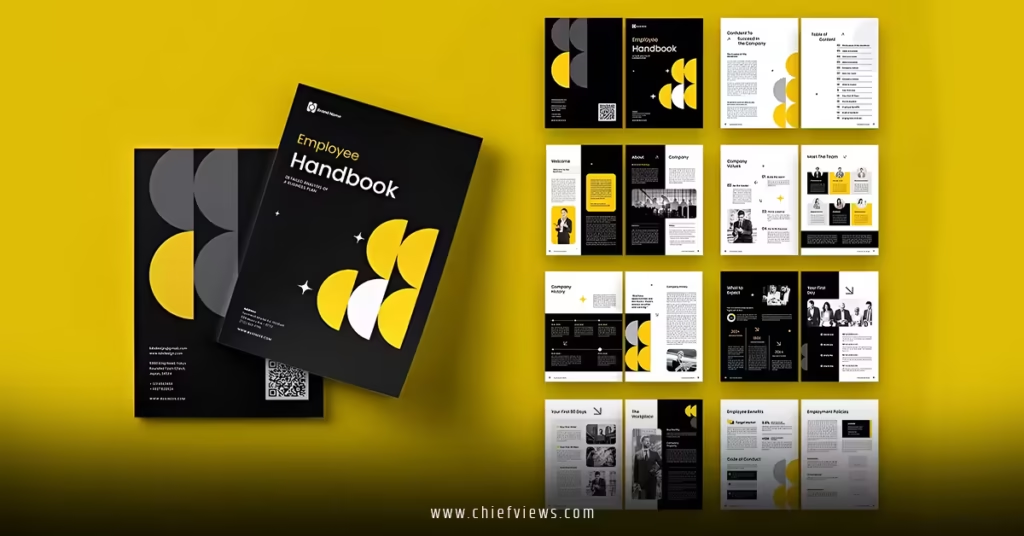
Employee handbook templates for remote teams have become essential tools for organizations navigating the complexities of distributed workforces. These templates serve as the foundation for clear communication, consistent policy application, and legal compliance across virtual work environments.
Here’s what every HR leader needs to know about remote team handbooks:
- Structured templates ensure consistent policy communication across all remote employees
- Comprehensive handbooks reduce legal liability while improving employee onboarding experiences
- Customizable templates save time while maintaining compliance with evolving employment laws
- Digital-first handbook formats improve accessibility and update distribution
- Integration with existing HR systems streamlines handbook maintenance and version control
Why Remote Team Handbooks Differ from Traditional Employee Manuals
Here’s the thing—your standard office handbook won’t cut it for remote teams. Remote work introduces unique challenges that traditional handbooks simply don’t address.
Think about it: when employees work from home offices in different time zones, using personal internet connections, and managing work-life boundaries without physical separation, they need different guidance entirely.
Remote team handbooks must address technology requirements, communication protocols, performance expectations, and security standards that office-based employees take for granted. The stakes are higher, and the margin for error is smaller.


Essential Components of Employee Handbook Templates for Remote Teams
Technology and Equipment Standards
Your handbook template must clearly outline technology expectations and support procedures. Don’t assume employees understand your tech requirements.
Include specific sections for:
Required Hardware Specifications
- Minimum computer performance standards
- Internet speed requirements (typically 25+ Mbps for video conferencing)
- Backup internet options and procedures
- Company-provided versus employee-owned device policies
Software and Security Requirements
- Mandatory VPN usage protocols
- Password management system requirements
- Approved communication and collaboration tools
- Personal software restrictions and approval processes
Technical Support Procedures
- Help desk contact information and hours
- Escalation procedures for critical system failures
- Equipment replacement and repair processes
- Expense reimbursement guidelines for work-related technology costs
Communication Protocols and Expectations
Remote teams live or die by communication clarity. Your handbook template needs comprehensive communication guidelines.
Response Time Standards Different communication methods require different response expectations:
| Communication Type | Expected Response Time | Use Cases |
|---|---|---|
| Urgent Slack/Teams Messages | Within 1 hour during business hours | System outages, client emergencies |
| Regular Email | Within 24 hours | Project updates, non-urgent requests |
| Video Meeting Requests | Within 2 business days | Planning sessions, team meetings |
| Project Management Updates | Same day for assigned tasks | Task completions, status changes |
Meeting Guidelines
- Default meeting times that work across time zones
- Video-on expectations and exceptions
- Meeting preparation requirements
- Recording and documentation standards
Performance Management and Accountability
This section separates amateur handbooks from professional ones. Remote performance management requires different metrics and approaches than office-based evaluation.
Output-Based Performance Standards Focus on deliverables rather than hours worked. Include:
- Project completion criteria and quality standards
- Deadline management and communication requirements
- Collaboration and teamwork measurement methods
- Professional development and skill advancement expectations
Check-in and Review Procedures
- Weekly one-on-one meeting requirements
- Monthly team performance reviews
- Quarterly goal-setting and evaluation processes
- Annual comprehensive performance assessment procedures
Step-by-Step Template Implementation Guide
Phase 1: Assessment and Customization (Week 1)
Start by evaluating your current handbook against remote work realities. What policies need modification? What new sections require creation?
Review existing remote work policies and procedures for CHROs to ensure handbook alignment with broader organizational frameworks.
Identify industry-specific requirements and legal considerations for your organization’s geographic footprint.
Phase 2: Content Development (Weeks 2-4)
Build your handbook template using modular sections that can be easily updated. Smart HR leaders create templates with these core sections:
Company Culture and Values (Remote-Specific)
- Mission statement adaptation for virtual environments
- Core values demonstration in remote settings
- Team building and culture preservation strategies
- Diversity, equity, and inclusion in virtual spaces
Employment Basics
- Classification standards for remote positions
- Onboarding procedures for virtual new hires
- Probationary period evaluation criteria
- Employment verification and documentation processes
Compensation and Benefits
- Remote work stipend policies and procedures
- Geographic pay considerations and adjustments
- Health and wellness benefit access for remote workers
- Professional development funding and approval processes
Phase 3: Legal Review and Compliance (Week 5)
Employment law complexity multiplies with remote teams, especially when employees work across state lines. Your handbook template must address multi-jurisdictional compliance requirements.
Partner with employment law specialists to review:
- State-specific employment regulations
- Workers’ compensation coverage for home office injuries
- Overtime tracking and payment procedures for non-exempt remote employees
- Privacy and monitoring policy disclosures
Phase 4: Digital Format Optimization (Week 6)
Create handbook formats that support:
Remote teams need digital-first handbook formats. PDF documents gathering digital dust don’t serve anyone.
- Mobile device accessibility
- Search functionality for quick policy reference
- Interactive elements like video explanations
- Easy update distribution and version control
Consider handbook platforms like Notion, Confluence, or specialized HR documentation tools that integrate with your existing systems.
Advanced Template Features for Remote Team Success
Interactive Onboarding Checklists
Transform static handbook content into actionable onboarding experiences. Include:
- Day-by-day new hire task lists with completion tracking
- Technology setup verification checklists
- Introduction scheduling with key team members
- Training module completion requirements and deadlines
- 30-60-90 day milestone expectations and review criteria
Scenario-Based Policy Examples
Abstract policies confuse employees. Concrete examples clarify expectations.
Include real-world scenarios like:
- “What to do when your home internet fails during an important client call”
- “How to handle confidential information when family members are present”
- “Appropriate background and attire standards for video meetings”
- “Procedures for reporting and addressing technology security concerns”
Crisis Communication Procedures
Remote teams need clear crisis communication protocols. Your handbook template should include:
Emergency Contact Procedures
- Primary and backup communication methods during emergencies
- Escalation chains for different emergency types
- Geographic disaster response plans for distributed teams
- Business continuity procedures and expectations
Data Security Incident Response
- Immediate containment steps for suspected security breaches
- Internal reporting requirements and timelines
- External notification procedures and responsible parties
- Recovery and prevention protocol implementation
Common Template Mistakes and How to Avoid Them
Mistake 1: Copying Office-Based Handbook Sections
Remote work isn’t just office work done from home. It’s a different working model entirely.
Fix: Rewrite every policy section with remote-specific considerations rather than simply adding remote work addendums to existing policies.
Mistake 2: Vague Technology Requirements
“Use company-approved software” doesn’t help employees make daily technology decisions.
Fix: Provide specific software lists, version requirements, and approval procedures for new tool requests.
Mistake 3: Ignoring Time Zone Considerations
Policies that assume everyone works the same hours create confusion and resentment across distributed teams.
Fix: Include clear guidance for asynchronous work, meeting scheduling across time zones, and flexible hour arrangements.
Mistake 4: Static Document Formats
PDF handbooks become outdated the moment you publish them.
Fix: Use dynamic, searchable formats that support easy updates and real-time policy changes.
Measuring Handbook Effectiveness
What gets measured gets improved. Track these metrics to evaluate your handbook template success:
Employee Engagement Metrics
- Handbook section access frequency and duration
- Policy clarification request frequency
- New hire onboarding completion rates
- Employee satisfaction scores related to policy clarity
Compliance and Risk Metrics
- Policy violation frequency and types
- Legal incident rates related to handbook gaps
- Audit findings related to policy communication
- Insurance claim patterns for remote work-related issues
Operational Efficiency Metrics
- Time to productivity for new remote hires
- Manager confidence in policy enforcement
- HR inquiry volume related to policy questions
- Update distribution speed and employee acknowledgment rates
Technology Integration and Automation
Modern employee handbook templates for remote teams benefit from integration with existing HR technology stacks.
HRIS Integration Connect your handbook platform with your Human Resources Information System for automatic employee data updates and policy acknowledgment tracking.
Learning Management System (LMS) Connection Link handbook sections to relevant training modules and certification requirements for comprehensive employee development tracking.
Communication Platform Integration Embed handbook search functionality within Slack, Microsoft Teams, or other primary communication tools for immediate policy reference during daily work activities.
Future-Proofing Your Handbook Template
The remote work landscape continues evolving rapidly. Build flexibility into your handbook template to accommodate future changes.
Consider emerging trends affecting remote team handbooks:
- Artificial intelligence integration in HR processes
- Virtual and augmented reality collaboration tools
- Global talent acquisition and management
- Environmental sustainability in remote work practices
Regular template reviews—quarterly at minimum—ensure your handbook stays current with business needs, technology advances, and regulatory changes.
The Society for Human Resource Management (SHRM) provides ongoing updates on employment law changes affecting remote work policies that should inform your handbook revisions.
Key Takeaways for HR Leaders
- Employee handbook templates for remote teams require fundamentally different approaches than traditional office handbooks
- Digital-first formats improve accessibility and enable real-time updates for distributed teams
- Comprehensive technology and security sections prevent costly compliance and security issues
- Scenario-based examples clarify abstract policies for better employee understanding and compliance
- Integration with existing HR technology improves handbook effectiveness and reduces administrative burden
- Regular template updates and legal reviews prevent outdated policies from creating liability risks
- Performance metrics help optimize handbook content and identify areas for improvement
- Future-proofing considerations ensure long-term template value and reduced revision frequency
Conclusion
Employee handbook templates for remote teams represent more than documentation—they’re strategic tools for building successful distributed organizations. The right template streamlines onboarding, reduces legal risk, and creates clear expectations that remote employees need to thrive.
Start with the fundamentals: technology requirements, communication protocols, and performance standards. Build from there with crisis procedures, integration capabilities, and measurement systems that support continuous improvement.
The investment in comprehensive handbook templates pays dividends in reduced HR inquiry volume, improved employee satisfaction, and enhanced legal compliance. Your remote teams—and your legal counsel—will appreciate the clarity and protection these templates provide.
Ready to transform your remote team documentation? Begin by auditing your current handbook against the framework outlined above, then systematically address each component for maximum effectiveness.
Frequently Asked Questions
Q: How often should employee handbook templates for remote teams be updated?
A: Review and update your remote team handbook templates quarterly to address technology changes, legal updates, and evolving business needs. Major template revisions should occur annually or when significant organizational changes affect remote work policies.
Q: What’s the most important section in a remote team employee handbook?
A: Technology and security requirements typically represent the most critical section, as they directly impact daily work capability and legal compliance. Poor technology guidance creates productivity barriers and security vulnerabilities that affect entire organizations.
Q: Should remote team handbooks differ by employee location or role type?
A: Yes, handbooks should include location-specific sections addressing local employment laws, tax considerations, and regulatory requirements. Role-based variations may be necessary for different security clearance levels or client interaction requirements.
Q: How do you ensure remote employees actually read and understand handbook content?
A: Use interactive acknowledgment systems, incorporate handbook content into onboarding training, provide searchable digital formats, and include regular policy refresher communications. Track engagement metrics to identify sections needing clarification or improvement.
Q: What legal considerations are unique to remote team employee handbooks?
A: Multi-state employment law compliance creates the biggest legal complexity. Remote handbooks must address workers’ compensation coverage, overtime tracking across time zones, privacy expectations in home offices, and data security requirements for personal devices and networks.