








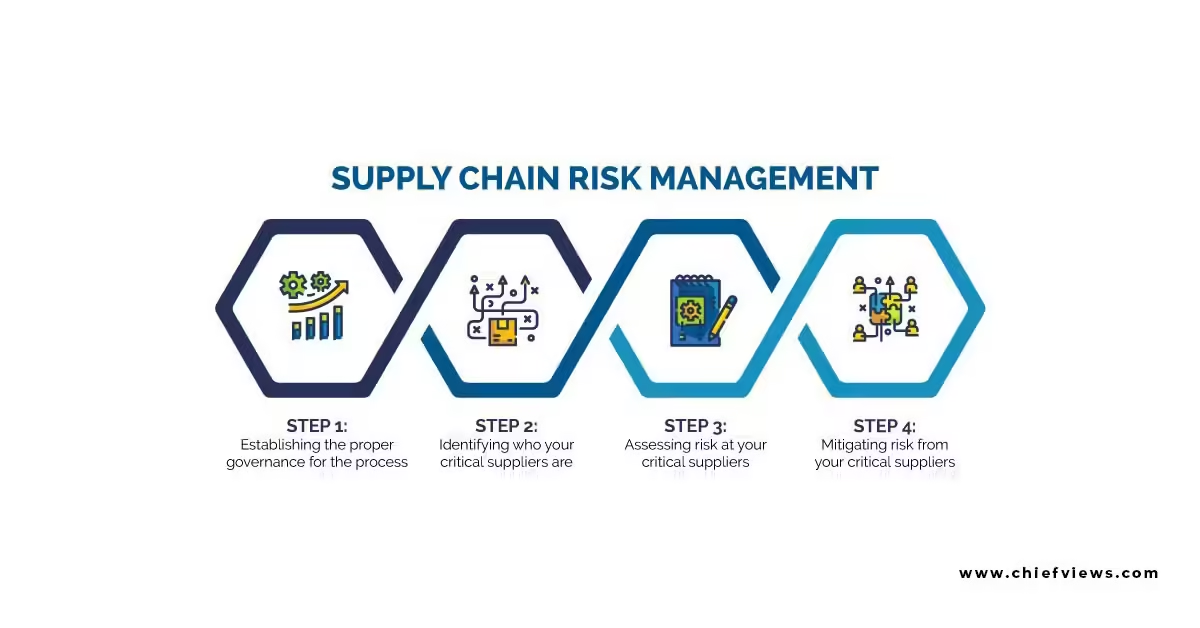
Supply chain risk management checklist is the tool you wish you’d had the morning a key supplier missed a shipment and nobody could say what else it touched. Here’s the quick version.
- What it is: a structured list of questions and checks that exposes weak links in your suppliers, logistics, inventory, and data before they fail.
- Why it matters: tariff swings, cyber incidents, port delays, and sole-source parts can stack up fast, and one gap can stall everything downstream.
- Who uses it: operations, procurement, and finance teams, with the COO setting priorities.
- How to start: map suppliers by criticality, score the risky ones, then close the top gaps first.
What a Supply Chain Risk Management Checklist Actually Does
It turns vague worry into specific action. That’s it.
Most teams carry a mental list of what could go wrong. The problem is that it lives in three heads and none of them match. A written checklist forces the conversation, assigns owners, and gives you something to audit next quarter.
It isn’t a replacement for a full risk program. Think of it as the pre-flight inspection. Pilots don’t skip it because they’ve flown a thousand times, and the reason is simple: the one time something’s loose, you want to catch it on the ground.
If you’re building the bigger picture, the COO guide to building operational resilience in 2026 shows how supplier risk fits alongside people, technology, and facilities. This checklist is the supply side of that system.


Why Supply Chain Risk Looks Different in 2026
A few years ago, a supplier problem meant a late truck. Now it can mean a ransomware hit at a vendor you’ve never heard of, two tiers down, that freezes your production line.
What usually happens is a quiet pile-up of dependencies. Nobody chose to rely on one port, one component maker, or one cloud platform. It just accumulated, one cost-saving decision at a time.
The pressures worth watching:
- Tariff and trade policy shifts that change landed costs and lead times on short notice.
- Cyber exposure through software vendors, logistics platforms, and managed service providers.
- Concentration risk in sole-source parts, single regions, or one carrier.
- Weather and infrastructure events hitting ports, rail, and highways.
- Financial fragility among smaller suppliers who can’t absorb a rough quarter.
- Visibility gaps beyond your Tier 1 suppliers.
Notice the pattern. Most of the danger sits outside your walls, which is exactly why a checklist beats gut feel.
The Core Supply Chain Risk Management Checklist
Work through these eight areas. For each one, answer honestly, assign an owner, and log the date.
1. Supplier Inventory and Criticality
- Do you have a current list of every supplier, including software and logistics vendors?
- Is each one tagged by criticality (high, medium, low)?
- Do you know which suppliers are sole-source?
2. Concentration and Geography
- What share of any key input comes from one supplier, one country, or one port?
- Are any two “different” suppliers actually sharing the same upstream source?
3. Financial and Operational Health
- Do you review supplier financial stability at least annually?
- Do you know their capacity limits and their own backup plans?
4. Cyber and Data Exposure
- Do critical suppliers meet minimum security requirements in writing?
- What happens to your operations if their system goes offline for 72 hours?
5. Inventory and Lead-Time Buffers
- Which parts have long lead times and no substitute?
- Have you set a buffer target for those parts, rather than a blanket rule?
6. Logistics and Transportation
- Do you have a second carrier or route qualified for critical lanes?
- Can you reroute without renegotiating every contract from scratch?
7. Contracts and Compliance
- Do contracts spell out notification duties, recovery expectations, and audit rights?
- Are you tracking trade, customs, and labor-sourcing rules that apply to your inputs?
8. Response and Testing
- Is there a named incident lead and a call tree for supplier failures?
- When did you last run a tabletop exercise on a supplier outage?
Print it. Mark red, yellow, green. Anything red gets a funded fix, not a “we’ll look at it.”
Risk Types at a Glance: What to Check and What to Do First
This table helps you decide where a beginner should look first.Here is the table in a copy-paste-friendly format:
| Risk Category | Warning Sign | Effort to Fix | Best First Move |
|---|---|---|---|
| Sole-source supplier | One vendor, no qualified alternate | Medium to High | Begin qualifying a backup for your top-risk input |
| Geographic concentration | Most volume tied to one region or port | High | Add a second sourcing region for critical parts |
| Supplier cyber exposure | No security terms in contracts | Low to Medium | Send a short security questionnaire to critical vendors |
| Financial weakness | Late deliveries, payment disputes, sudden price asks | Low | Add a financial health review to onboarding and renewals |
| Long lead-time parts | Weeks or months to replace a component | High (cash tied up) | Buffer only the items with no fast substitute |
| Logistics dependency | One carrier handles most critical lanes | Medium | Qualify a secondary carrier on your busiest lane |
My take? Start with the cheap items: the supplier inventory, the security questionnaire, and the financial review. They cost little and they tell you where the expensive money belongs.
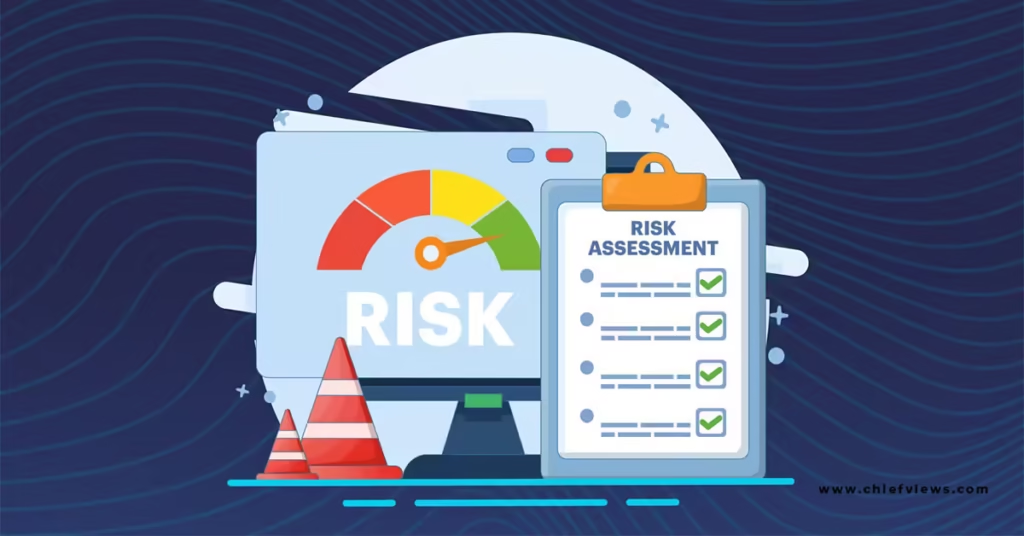
Step-by-Step: Putting Your Supply Chain Risk Management Checklist to Work
New to this? Follow these steps in order.
Step 1: Build the Supplier List
Pull data from accounts payable, procurement, and IT. Expect surprises. Teams almost always find vendors nobody remembers onboarding.
Step 2: Rank by Criticality
Ask one question for each supplier: if they vanished tomorrow, how fast would customers notice? Tag the top 10 to 20.
Step 3: Score the Risky Ones
Rate each critical supplier on concentration, financial health, cyber posture, and geography. A simple 1-to-5 scale works fine. Fancy scoring models can wait.
Step 4: Trace Beyond Tier 1
Ask your critical suppliers who they depend on. You won’t get every answer, but you’ll learn where the hidden bottlenecks sit. For software and technology vendors, the NIST cyber supply chain risk management program is a strong reference for what to ask.
Step 5: Fix the Top Gaps
Pick three. Maybe one sourcing fix, one contract fix, one visibility fix. Fund them properly instead of spreading effort across fifteen half-projects.
If I were running your operation, I’d start with the one sole-source part that would shut a line down. Everything else is secondary.
Step 6: Test and Review
Run a two-hour tabletop on a realistic scenario: a key supplier goes offline for two weeks. See who decides what, who calls customers, and who authorizes spot buys. Then review the checklist every quarter.
Your Supply Chain Risk Management Checklist Needs Standards Behind It
You don’t need to invent the framework yourself. ISO 28000 on supply chain security management gives you a recognized structure if auditors, insurers, or enterprise customers start asking questions. For technology-heavy supply chains, the CISA information and communications technology supply chain security resources are worth bookmarking.
Neither is mandatory for a small operator. Both help you sound credible in a customer review.
Common Mistakes & How to Fix Them
I’ve seen sharp teams trip over the same things repeatedly.
Mistake 1: Checking only Tier 1.
The failure often starts two or three levels back. Fix: ask critical suppliers to name their own key dependencies and update that list yearly.
Mistake 2: Treating the checklist as a one-time exercise.
Suppliers change, markets move, and your own product mix shifts. Fix: put a quarterly review on the calendar with a named owner.
Mistake 3: Scoring everything equally.
A late paperclip order isn’t a late microcontroller order. Fix: weight your scoring by customer impact, not by purchase volume.
Mistake 4: Skipping the contract layer.
Without notification duties and recovery terms, you learn about problems from the news. Fix: add disclosure, audit, and recovery clauses at the next renewal.
Mistake 5: Buffering everything.
Blanket safety stock ties up cash and hides real problems. Fix: buffer long-lead, no-substitute items and leave the rest lean.
Mistake 6: Never testing the response.
A plan nobody has rehearsed is a guess with a cover page. Fix: run a tabletop this quarter. Not when things calm down.
Key Takeaways
- A supply chain risk management checklist converts scattered worry into owned, trackable actions.
- Start by building a complete supplier list, including software and logistics vendors.
- Rank suppliers by customer impact, then score only the critical ones in depth.
- Sole-source and single-region dependencies deserve your first fixes.
- Look beyond Tier 1. Hidden upstream dependencies cause the nastiest surprises.
- Write recovery and notification duties into contracts, not just into hopes.
- Buffer selectively. Long lead times and no substitutes are your trigger.
- Review quarterly and test with tabletop exercises so the list stays alive.
Your Move
Supply chain risk will never reach zero. The goal is simpler: fewer surprises, faster recovery, and a team that already knows who does what when a supplier stumbles.
Next step? Block ninety minutes this week, pull procurement and IT into one room, and run your top ten suppliers through the eight checks above. Then take the red items to your leadership team and put dollars behind the first fix.
FAQs
How often should I update a supply chain risk management checklist?
Quarterly works for most US operators, with extra reviews after any major supplier change, trade policy shift, or near-miss. Annual reviews tend to be too slow, since a supplier’s situation can change in a single quarter.
What’s the difference between a supply chain risk management checklist and a full risk program?
The checklist is a practical, repeatable set of checks your team can run in days. A full program adds governance, formal risk appetite, tooling, and ongoing monitoring. Most teams should start with the checklist and grow into the program as the gaps become clear.
Do small businesses really need a supply chain risk management checklist?
Yes, and arguably more than large firms. Smaller operators usually have fewer backup suppliers and thinner cash reserves, so one disruption hurts more. A one-page checklist covering critical suppliers, backup options, and contacts is a sensible starting point.

