





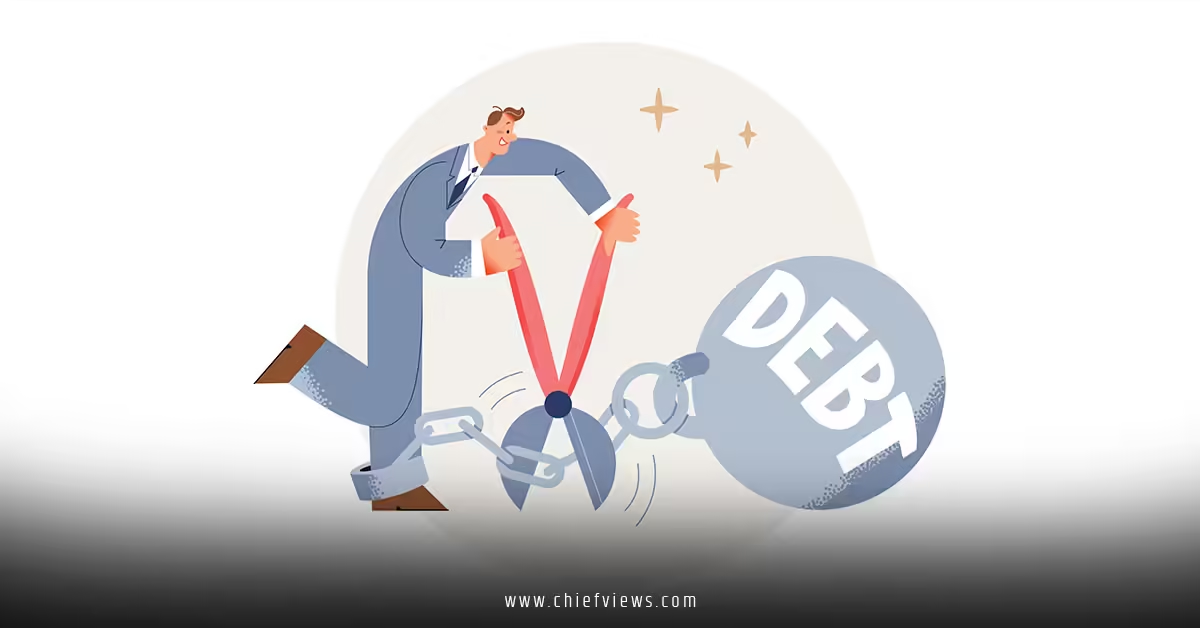
Managing technical debt in legacy systems is one of the biggest challenges tech teams face today, often sneaking up like unpaid bills that compound over time. Imagine your legacy system as an old house you’ve lived in for years—it’s full of character, but the creaky floors and outdated wiring can trip you up if you don’t address them. In this article, we’ll dive into what technical debt means in the context of these aging systems, why it builds up, and how you can tackle it head-on to keep your projects running smoothly and your team productive.
What Exactly is Managing Technical Debt in Legacy Systems?
Let’s start with the basics: managing technical debt in legacy systems involves identifying, prioritizing, and resolving the shortcuts or outdated elements in your code that were once practical but now hinder progress. Think of it like decluttering a garage filled with tools from the 90s—those might have worked back then, but they’re slowing you down in a world of smart tech. Legacy systems, often built on older frameworks or languages, accumulate this debt through years of patches, workarounds, and evolving business needs, making it essential to manage it proactively to avoid costly disruptions.
In my experience, technical debt isn’t just about sloppy code; it’s a natural byproduct of rapid development in legacy environments. For instance, if your system runs on COBOL or early Java versions, you might have layers of modifications that no longer align with current standards. Managing technical debt in legacy systems requires a balance between maintaining what’s working and innovating for the future, ensuring your tech stack doesn’t become a liability.
The Causes of Technical Debt in Legacy Systems
Why does technical debt pile up in legacy systems? It’s often a mix of historical decisions and modern pressures. Picture a river eroding a riverbank over time—each flood (or business demand) adds more wear. One major cause is the “quick fix” mentality: developers might opt for temporary solutions to meet deadlines, only for those to become permanent fixtures.
Outdated Technology Stacks
Legacy systems frequently rely on deprecated technologies, like mainframes or unsupported databases, which exacerbate technical debt. Managing technical debt in legacy systems means regularly assessing these stacks for vulnerabilities. For example, if your application still uses unsupported APIs, it could lead to security risks and integration issues with newer tools.



Rapid Business Evolution
As businesses grow, their needs change, but legacy systems might not keep pace. This mismatch creates debt through incompatible add-ons or custom code. Have you ever tried adding a new wing to an old house without updating the foundation? That’s what managing technical debt in legacy systems feels like—it’s about ensuring the core structure can support expansions.
Lack of Documentation and Knowledge Transfer
Another culprit is poor documentation. When key developers leave, their tribal knowledge walks out the door, leaving behind cryptic code. Effectively managing technical debt in legacy systems involves investing in thorough documentation and training, turning potential headaches into teachable moments.
Strategies for Effectively Managing Technical Debt in Legacy Systems
Now that we’ve covered the “why,” let’s get into the “how.” Managing technical debt in legacy systems isn’t about ripping everything apart; it’s about strategic refactoring and modernization. Think of it as renovating that old house—focus on the rooms that need it most first.
Start with a Comprehensive Audit
Before you do anything, conduct an audit to map out your debt. Use tools like SonarQube or code analysis software to identify hotspots, such as unused functions or security flaws. Managing technical debt in legacy systems begins here, as this step gives you a clear picture, much like a blueprint for your renovation project.
Key Steps in the Audit Process
- Inventory Your Assets: Catalog all components of your legacy system, noting age, dependencies, and potential risks.
- Prioritize Based on Impact: Not all debt is equal—focus on areas that affect user experience or compliance first.
- Involve the Team: Gather input from developers and stakeholders to ensure you’re addressing real pain points.
Refactoring and Modernization Techniques
Once you’ve audited, it’s time to refactor. Managing technical debt in legacy systems often means migrating to cloud-based solutions or containerizing with Docker. For instance, if your system is monolithic, breaking it into microservices can enhance scalability. I remember a project where we refactored a legacy e-commerce platform; it was like upgrading from a flip phone to a smartphone, instantly improving performance and flexibility.
Common Refactoring Approaches
- Incremental Updates: Tackle one module at a time to minimize downtime.
- Automation Tools: Leverage CI/CD pipelines to automate testing and deployments, reducing manual errors.
- API Integration: Modernize interfaces to connect with newer systems, making managing technical debt in legacy systems less isolating.
Building a Culture of Debt Management
It’s not just about tools; it’s about people. Foster a team culture where managing technical debt in legacy systems is everyone’s responsibility. Encourage regular code reviews and pair programming to catch issues early. Rhetorical question: What if every sprint included a “debt repayment” phase? It could transform your development process from reactive to proactive.

The Benefits and ROI of Managing Technical Debt in Legacy Systems
You might wonder, is all this effort worth it? Absolutely. Managing technical debt in legacy systems can lead to significant returns, like improved efficiency and innovation. Imagine freeing up resources that were once tied to firefighting bugs—this newfound time can fuel new features and better customer experiences.
Quantifiable Gains
Studies show that unmanaged debt can increase project costs by up to 40%, but proactive management cuts that dramatically. For example, companies like Netflix have mastered this by continuously refactoring their systems, resulting in fewer outages and faster releases. By managing technical debt in legacy systems, you’re investing in long-term stability.
Enhanced Security and Compliance
In today’s regulatory environment, ignoring debt can expose you to risks. Managing technical debt in legacy systems helps meet standards like GDPR or HIPAA through regular updates, safeguarding your data and reputation.
Potential Pitfalls and How to Avoid Them
Even with the best intentions, managing technical debt in legacy systems has challenges. One pitfall is overzealous refactoring, which can introduce new debt if not done carefully. Always test thoroughly—think of it as double-checking your work before a big reveal.
Balancing Speed and Quality
In a fast-paced world, it’s tempting to rush, but that leads to more debt. Prioritize quality assurance tools and set realistic timelines. Another issue is resistance to change; address this by communicating the benefits clearly.
Real-World Examples of Managing Technical Debt in Legacy Systems
To make this relatable, let’s look at some analogies and case studies. Consider how banks have managed technical debt in their legacy mainframes: by gradually integrating modern APIs, they’ve avoided disruptions while enhancing services. Or, think of a classic car enthusiast restoring a vintage vehicle—it’s about preserving the essence while upgrading for safety and performance.
In one case, a retail giant reduced their technical debt by 50% through a phased migration, proving that managing technical debt in legacy systems pays off in real terms.
Conclusion: Take Control of Your Legacy Systems Today
Managing technical debt in legacy systems is an ongoing journey, not a one-time fix, but the rewards are immense. By auditing regularly, refactoring strategically, and building a supportive culture, you can turn potential weaknesses into strengths, fostering innovation and efficiency. Remember, just like maintaining a classic car keeps it on the road longer, proactive debt management ensures your systems remain relevant and robust. What step will you take first to start this process?
Frequently Asked Questions
What are the first signs that technical debt is affecting my legacy systems?
Managing technical debt in legacy systems often starts with symptoms like frequent bugs, slow performance, or integration failures—regular audits can help spot these early.
How long does it typically take to manage technical debt in legacy systems?
The timeline for managing technical debt in legacy systems varies, but starting with small, focused efforts can show results in a few months, depending on the system’s complexity.
Can managing technical debt in legacy systems improve my team’s morale?
Absolutely, as it reduces frustration from constant fixes, making the work environment more enjoyable and productive.
What tools are best for managing technical debt in legacy systems?
Tools like Jenkins for automation and Git for version control are excellent for managing technical debt in legacy systems, helping streamline processes.
Is it worth outsourcing managing technical debt in legacy systems?
Outsourcing can be beneficial if your team lacks expertise, but ensure clear communication to align with your goals.