




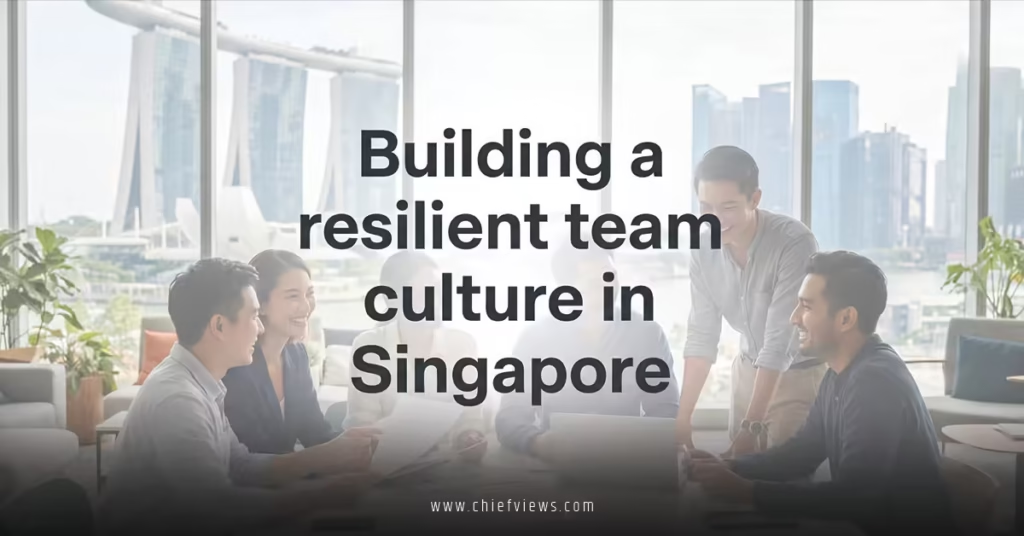
Building a resilient team culture in Singapore matters more than ever for business owners navigating fast changes. Our city-state faces everything from global trade shifts to tech disruptions and rising costs. Teams that bounce back quickly give you a real edge. Yet many leaders struggle to create that kind of environment where people stay motivated through uncertainty.
You want your team to handle challenges without burning out or losing focus. The good news is you can build this on purpose with straightforward actions that fit Singapore’s unique mix of talent, regulations, and growth opportunities. In this article, we’re going to explore how to strengthen your team so they adapt, innovate, and deliver results even when markets get tough.
Pic – CC0 License
Why Resilience Matters for Singapore Businesses Right Now
Singapore’s economy stays dynamic but exposed. As a trade hub, we feel the impact of international events quickly. Teams that bend instead of break help you maintain operations, keep customers happy, and spot new chances others miss.
A resilient culture boosts morale and reduces turnover in our competitive job market. People stay longer when they feel supported and valued during tough periods. This saves you time and money on hiring while building deep knowledge inside your company.
It also connects directly to growth strategies. For example, check out this CEO Guide to Rewarding Smart Risk Taking in Volatile Markets to see how rewarding thoughtful action strengthens teams further.



Start with Clear Leadership and Open Communication
Building a Resilient Team Culture in Singapore:Leaders set the tone. Be honest about challenges and what you are doing to address them. Hold short, regular check-ins where everyone can share updates and concerns without fear.
In Singapore’s fast-paced scene, this transparency builds trust. Use simple tools like weekly team huddles or shared digital boards to keep information flowing. Encourage questions and listen actively – your people often have practical ideas from the ground level.
Model the behavior you want. When you handle setbacks calmly and share lessons learned, your team follows. This creates psychological safety, which is key for resilience.
Build Skills and Support Continuous Learning
Resilient teams keep growing. Offer training that matches current needs, such as digital tools, stress management, or cross-functional skills. Singapore has excellent government-backed programs through SkillsFuture and Enterprise Singapore that you can tap into at low cost.
Give people time to learn. Even small allocations, like a few hours monthly for online courses or internal workshops, pay off. Pair newer staff with experienced mentors to speed up knowledge sharing.
Focus on both technical and soft skills. Emotional intelligence and adaptability help teams manage change better than pure technical know-how alone.
Foster Collaboration and Mutual Support
Building a Resilient Team Culture in Singapore:Break down silos so departments work together smoothly. In smaller Singapore companies, this is easier but still needs deliberate effort. Set joint goals and celebrate team wins, not just individual ones.
Create buddy systems or support networks where people can turn to each other during busy or stressful times. Organize low-key social activities that fit local preferences – think team lunches at hawker centres or virtual sessions for hybrid workers.
Recognize efforts that help colleagues. A simple thank you or small token goes far in building bonds that hold up under pressure.
Reward Adaptability and Smart Efforts
Tie recognition to how people handle change and contribute ideas. This links closely with broader strategies like those in the CEO Guide to Rewarding Smart Risk Taking in Volatile Markets. Praise both outcomes and the process of trying new approaches.
Use a mix of public recognition, bonuses, and extra time off. Make sure rewards feel fair and consistent. In Singapore’s diverse workforce, tailor appreciation to what motivates different individuals.
Avoid punishing honest mistakes. Instead, review them together as learning opportunities. This encourages people to step up without constant fear.
Practical Tools and Daily Habits
Embed resilience into routines. Run scenario planning sessions quarterly so the team practices responding to possible disruptions. Keep workloads realistic to prevent burnout – monitor hours and encourage proper rest.
Leverage technology for better work-life balance. Flexible arrangements are common here and help retain talent. Track team sentiment with quick anonymous surveys and act on the feedback.
Stay connected to the wider community. Participate in local business networks or chambers to exchange ideas with other leaders facing similar issues.
Common Challenges and How to Overcome Them
Building a Resilient Team Culture in Singapore:Some teams resist change due to past experiences or heavy workloads. Address this by involving people early in decisions and showing quick wins.
Resource limits hit smaller businesses hard. Start small – pick one or two areas to improve first, then expand. Compliance with MOM guidelines on fair employment remains essential for smooth operations.
Measure progress over time. Look at retention rates, engagement scores, and how quickly projects recover from hiccups.
Take Action and See Results
Building a resilient team culture in Singapore does not happen overnight, but consistent small steps create lasting strength. Start this week by scheduling an open conversation with your team and picking one new habit to introduce.
You will notice higher energy, better ideas, and a group that stands firm when conditions shift. Combine this with smart risk practices and your business gains real staying power in our competitive landscape.
We hope that you have found this article enlightening in some way. Keep investing in your people – they are your strongest asset for long-term success here in Singapore.