








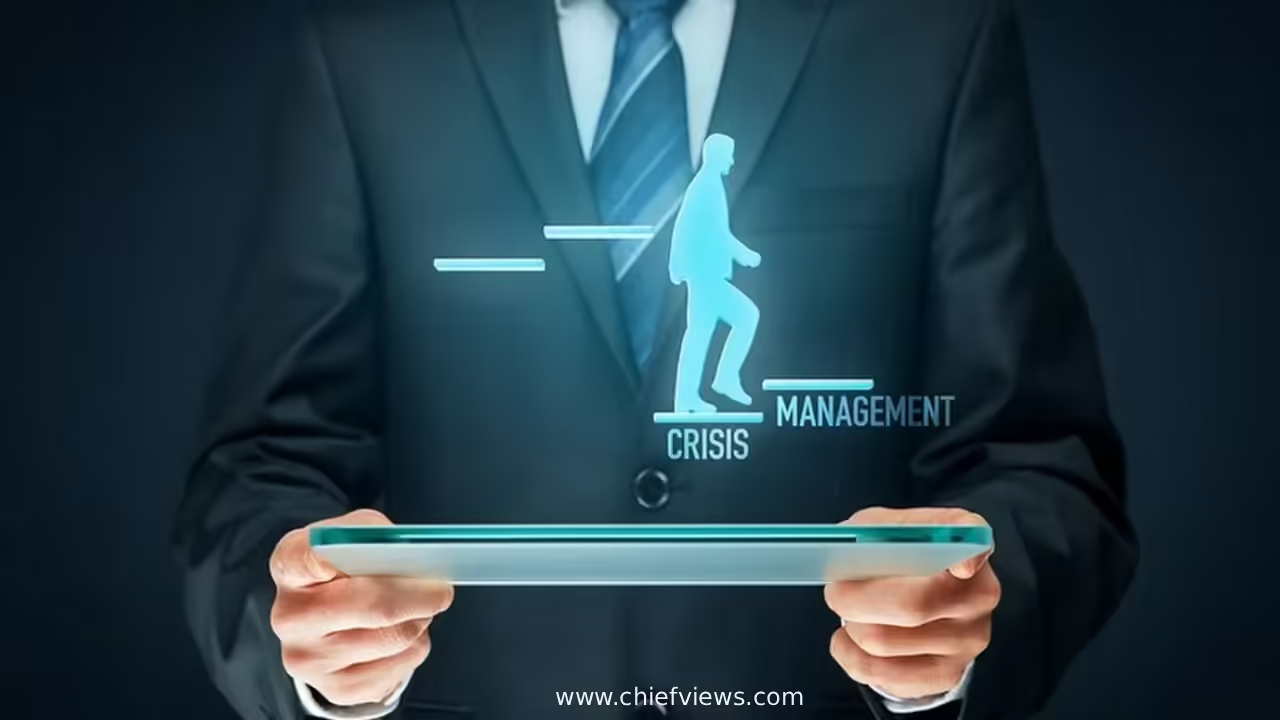
Crisis management and stakeholder influence determine whether a company survives a hit or gets buried by it. Get the relationships right and you control the narrative. Get them wrong and every employee, customer, investor, and regulator starts writing their own version of events.
Here’s the short version of what matters:
- Crisis management and stakeholder influence is the deliberate work of identifying who holds power over your reputation and operations, then communicating with them fast, clearly, and consistently when things go sideways.
- Stakeholders include employees, customers, investors, regulators, media, suppliers, and communities—each with different needs and different timelines.
- Speed and transparency beat perfection. Silence creates a vacuum that others fill with speculation.
- Pre-mapped stakeholder priorities and rehearsed messages turn chaos into a controlled response.
- Done well, the same relationships that feel strained during a crisis become stronger afterward.
In the United States, companies face layered pressure: SEC disclosure rules, state attorneys general, activist investors, and always-on social platforms. A product recall, data breach, or workplace incident doesn’t stay local for long. The organizations that recover fastest treat stakeholder influence as an operating discipline, not a public-relations afterthought.
Why crisis management and stakeholder influence decide outcomes
Crisis management and stakeholder influence Think of a crisis like a sudden storm hitting a ship. The captain who already knows which crew members control the sails, the ballast, and the radio will keep the vessel upright. The one who starts asking “who does what?” after the waves hit usually ends up taking on water.
What usually happens is this: the initial incident creates uncertainty. Uncertainty triggers questions. Those questions hit different stakeholder groups at different speeds. Employees want to know if their jobs are safe. Investors want the financial impact. Regulators want compliance proof. Customers want to know whether the product or service still works. Media wants a story with a clear villain or hero.
If you fail to address those needs in sequence, influence leaks away. Rumors harden into accepted fact. Trust erodes. Recovery takes longer and costs more.


In my experience, the companies that treat stakeholder mapping as a living document—updated quarterly—respond with far less drama. They already know the priority order and the preferred channels. That preparation is the difference between managing the crisis and becoming the crisis.
Mapping stakeholders before the fire starts
Effective crisis management and stakeholder influence starts long before any incident. You need a clear map of who matters and why.
Key groups typically include:
- Internal: employees, board, senior leadership
- Financial: investors, analysts, lenders
- Operational: suppliers, partners, distributors
- External: customers, media, regulators, local communities
For each group, document three things: primary concerns during a crisis, preferred communication channels, and the single most important message they need to hear first. A simple matrix on a shared drive beats a 40-page binder that no one opens.
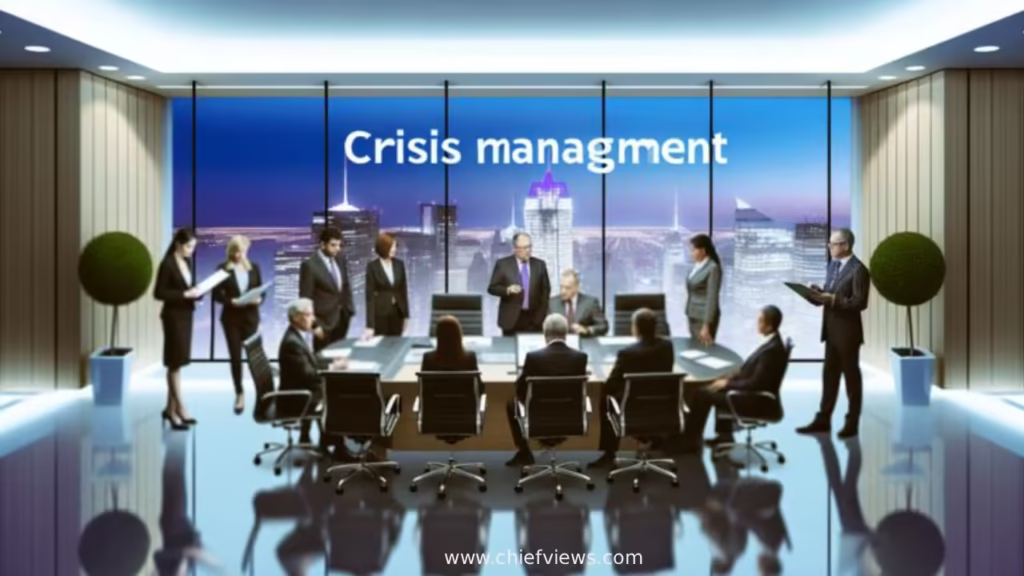
One practical move: run a tabletop exercise twice a year. Bring the crisis team together, throw a realistic scenario at them, and force them to walk through the first four hours of stakeholder notifications. Gaps become obvious fast.
Step-by-step action plan for crisis management and stakeholder influence
Here’s what I’d do if I were building or refreshing a program from scratch for a mid-sized U.S. company.
- Build the crisis response team and decision rights. Name the core group (CEO or designate, legal, communications, operations, HR, and finance). Assign clear authority levels so no one waits for permission on the first statement.
- Create the stakeholder notification sequence. Employees first (within the first hour if possible). Then board and major investors. Then customers and partners. Then regulators and media. This order protects internal trust and reduces leaks.
- Draft holding statements for your top five risks. Keep them short, factual, and ready to adapt. Include what you know, what you don’t know, and what you are doing next. Pre-approval from legal saves critical minutes.
- Choose primary and backup channels for each audience. Internal: intranet, email, town-hall video. Investors: direct calls or secure portals. Customers: website banner, email, social. Media: single designated spokesperson.
- Establish a real-time listening loop. Assign someone to monitor social, news, and employee channels. Feed verified insights back to the response team every 30–60 minutes in the acute phase.
- Rehearse and update. Schedule two full exercises a year. After every real incident or near-miss, hold a short after-action review and adjust the map and messages.
Follow this sequence and you move from reactive scrambling to deliberate influence. For a practical template on building the full plan, see the six-step crisis management plan guide from Asana.
How different stakeholder groups need to be handled
| Stakeholder Group | Primary Concern in Crisis | Preferred First Channel | Key Message Priority | Timing Goal |
|---|---|---|---|---|
| Employees | Job security & clear instructions | Internal email / town hall | “Here’s what we know and what you should do” | Within 1 hour |
| Investors / Board | Financial & operational impact | Direct call or secure update | Facts + next steps + leadership ownership | Within 2 hours |
| Customers | Service continuity & safety | Email / website / social | Specific impact (or lack of impact) + support path | Within 4 hours |
| Regulators | Compliance & disclosure | Official filing or direct contact | Accurate facts + cooperation stance | Per legal requirement |
| Media / Public | Narrative control | Designated spokesperson | Verified facts + accountability | As soon as facts allow |
This table is not theory. It reflects patterns that show up repeatedly in well-handled U.S. corporate responses. Adjust the timing for your industry and regulatory environment.
Common mistakes and how to fix them
Even experienced teams trip over the same rocks. Here’s what usually goes wrong and the practical fix.
Mistake: Waiting for perfect information.
Silence reads as incompetence or cover-up.
Fix: Issue a holding statement that states what is known, what is still being verified, and when the next update will come. Update frequently even if the only change is “still investigating.”
Mistake: Treating all stakeholders the same.
One generic statement rarely lands.
Fix: Customize the core facts for each group’s primary concern. Same truth, different framing and channel.
Mistake: Neglecting employees.
They learn about the crisis from the news and become secondary critics.
Fix: Brief internal audiences first. Give them talking points so they don’t invent their own.
Mistake: Inconsistent messages across spokespeople.
Different versions destroy credibility.
Fix: Designate one primary external voice and keep the crisis team on a single source-of-truth document.
Mistake: Over-defending or shifting blame.
Stakeholders notice.
Fix: Own what is yours. State corrective actions clearly. Move from explanation to solution as fast as the facts allow.
McKinsey’s guidance on new CEO stakeholder engagement reinforces the same point: crisis readiness is inseparable from everyday relationship work. Investing early pays off when pressure hits. See their practical framework on nailing stakeholder impact.
Building lasting influence through the full cycle
Crisis management and stakeholder influence does not end when the headlines fade. The post-crisis phase is where relationships either recover or permanently weaken.
After the acute phase, schedule targeted follow-ups. Tell employees what changed as a result of the incident. Share concrete improvements with customers. Brief investors on residual risk and mitigation. Document the lessons and fold them into the next tabletop exercise.
Organizations that close the loop demonstrate competence and care. Those that disappear once the cameras leave signal that the stakeholders only mattered when they were a threat.
One more practical note for U.S. operators: keep government-relations and public-affairs perspectives inside the crisis team. Regulatory and political stakeholders can escalate or de-escalate a situation faster than most companies expect. Chambers’ 2026 Crisis Management guide for the USA underscores the value of integrating those voices early.
Key Takeaways
- Map stakeholders and their priority concerns before any crisis hits.
- Notify employees first, then board/investors, then external audiences.
- Use short, factual holding statements rather than waiting for perfection.
- Keep one coherent narrative across all channels and spokespeople.
- Rehearse the first four hours of response at least twice a year.
- Close the loop after the crisis with specific updates on what changed.
- Treat the relationships built in calm periods as the real insurance policy.
The companies that treat crisis management and stakeholder influence as a core operating skill rather than a communications add-on recover faster, spend less on recovery, and often emerge with stronger relationships than they had before the incident. Start with the stakeholder map and the notification sequence. Test them under pressure. Then keep refining. That is how influence is earned and kept when it matters most.
FAQs
How does crisis management and stakeholder influence differ from regular PR?
Regular PR builds awareness and preference over time. Crisis management and stakeholder influence is time-compressed reputation protection. It prioritizes speed, accuracy, and audience-specific needs under pressure rather than polished campaigns.
What is the first action a leader should take in a sudden crisis?
Confirm the facts that can be verified in the first 15–30 minutes, then issue an internal holding statement to employees. Parallel workstreams can handle external audiences once the internal message is out.
Can small companies practice effective crisis management and stakeholder influence without a large team?
Yes. A lean version still works: name three decision-makers, map the five most critical stakeholder groups, draft three holding statements for the highest risks, and run one short tabletop exercise every six months. Focus beats size.
