





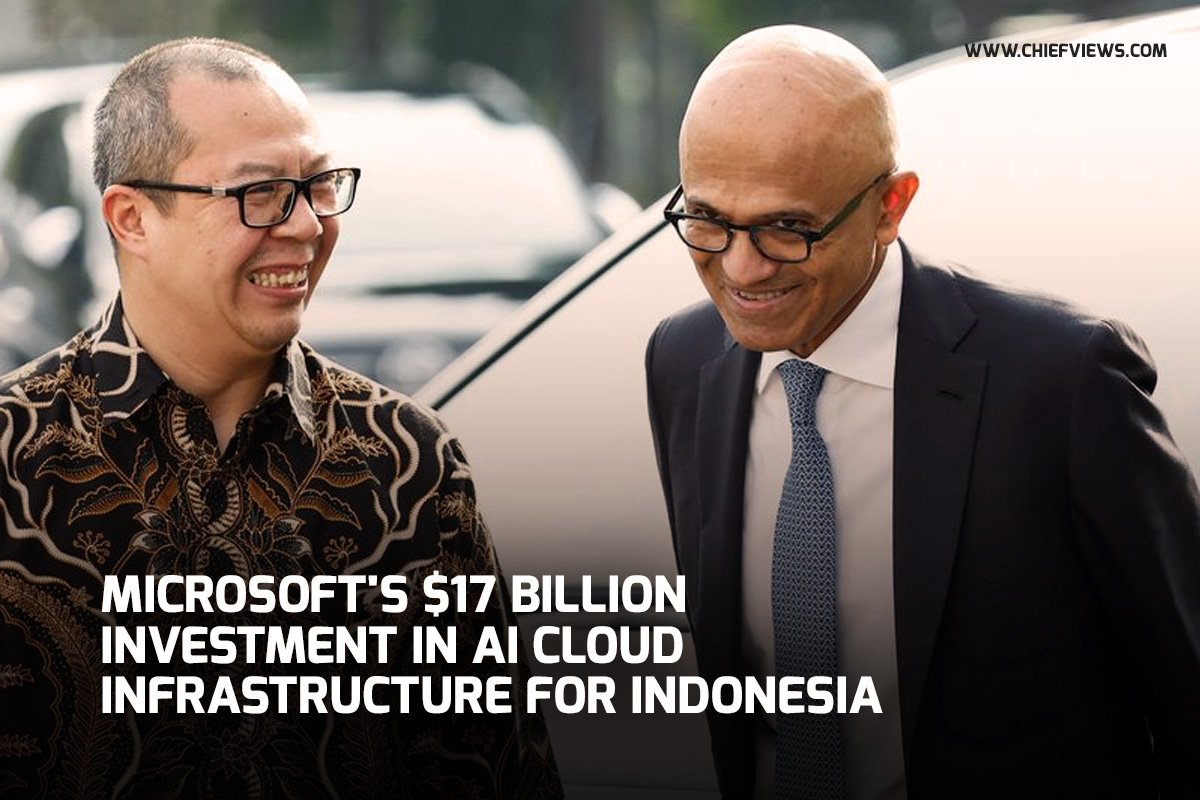
Microsoft’s $17 Billion Investment in AI Cloud Infrastructure for Indonesia
Introduction
In a groundbreaking move set to redefine the technological landscape of Indonesia, Microsoft Corporation announced a monumental investment of $17 billion dedicated to developing AI cloud infrastructure within the country. This strategic initiative marks a pivotal moment not only for Microsoft but also for Indonesia’s digital transformation journey.
Significance of Microsoft’s Investment
Microsoft’s decision to pour such a substantial sum into Indonesia underscores the country’s burgeoning potential as a hub for technological innovation. With its vast population and rapidly growing digital economy, Indonesia presents a ripe opportunity for tech giants like Microsoft to establish a significant presence. By investing in AI cloud infrastructure, Microsoft aims to catalyze Indonesia’s digital evolution, empowering businesses, government institutions, and individuals alike to harness the power of artificial intelligence for growth and development.
Driving Factors Behind the Investment
Several key factors have contributed to Microsoft’s strategic decision to invest in AI cloud infrastructure in Indonesia:
1. Market Potential



Indonesia boasts one of the largest and fastest-growing digital economies in Southeast Asia. With a population exceeding 270 million and a burgeoning middle class, the country offers a vast market ripe for technological innovation. By investing in AI cloud infrastructure, Microsoft aims to tap into this burgeoning market and position itself as a leading provider of advanced technological solutions.
2. Government Support
The Indonesian government has been actively promoting digital transformation as a key driver of economic growth and development. Through various initiatives and policies, such as the Making Indonesia 4.0 roadmap, the government has signaled its commitment to fostering a conducive environment for technological innovation. Microsoft’s investment aligns closely with the government’s objectives, further solidifying its partnership with Indonesia in advancing digitalization efforts.
3. Rising Demand for AI Solutions
As industries across various sectors increasingly recognize the transformative potential of artificial intelligence, the demand for AI-powered solutions continues to surge. By investing in AI cloud infrastructure, Microsoft aims to meet this growing demand and empower businesses to leverage AI technologies for enhanced efficiency, productivity, and competitiveness.
Impact on Indonesia’s Technological Landscape
Microsoft’s investment in AI cloud infrastructure is poised to have far-reaching implications for Indonesia’s technological landscape:
1. Accelerated Digital Transformation
By providing access to cutting-edge AI technologies and cloud services, Microsoft’s investment will accelerate Indonesia’s digital transformation journey. Businesses will be able to leverage AI-powered insights and capabilities to innovate, streamline operations, and drive growth in the digital age.
2. Job Creation and Skills Development
The establishment of AI cloud infrastructure will create a wealth of job opportunities across various sectors, ranging from technology and data science to marketing and sales. Moreover, Microsoft’s investment will catalyze skills development initiatives, equipping Indonesians with the expertise needed to thrive in an AI-driven economy.
3. Enhanced Competitiveness
Indonesia’s embrace of AI cloud infrastructure will enhance the country’s competitiveness on the global stage. By harnessing the power of AI, businesses can gain a competitive edge, deliver superior products and services, and expand their reach beyond domestic borders.
Microsoft’s $17 billion investment in AI cloud infrastructure represents a transformative milestone in Indonesia’s journey towards digitalization. By leveraging cutting-edge AI technologies, this initiative promises to unleash new opportunities for innovation, economic growth, and societal advancement. As Indonesia embraces the era of AI, Microsoft stands poised to play a pivotal role in shaping the country’s technological future.