





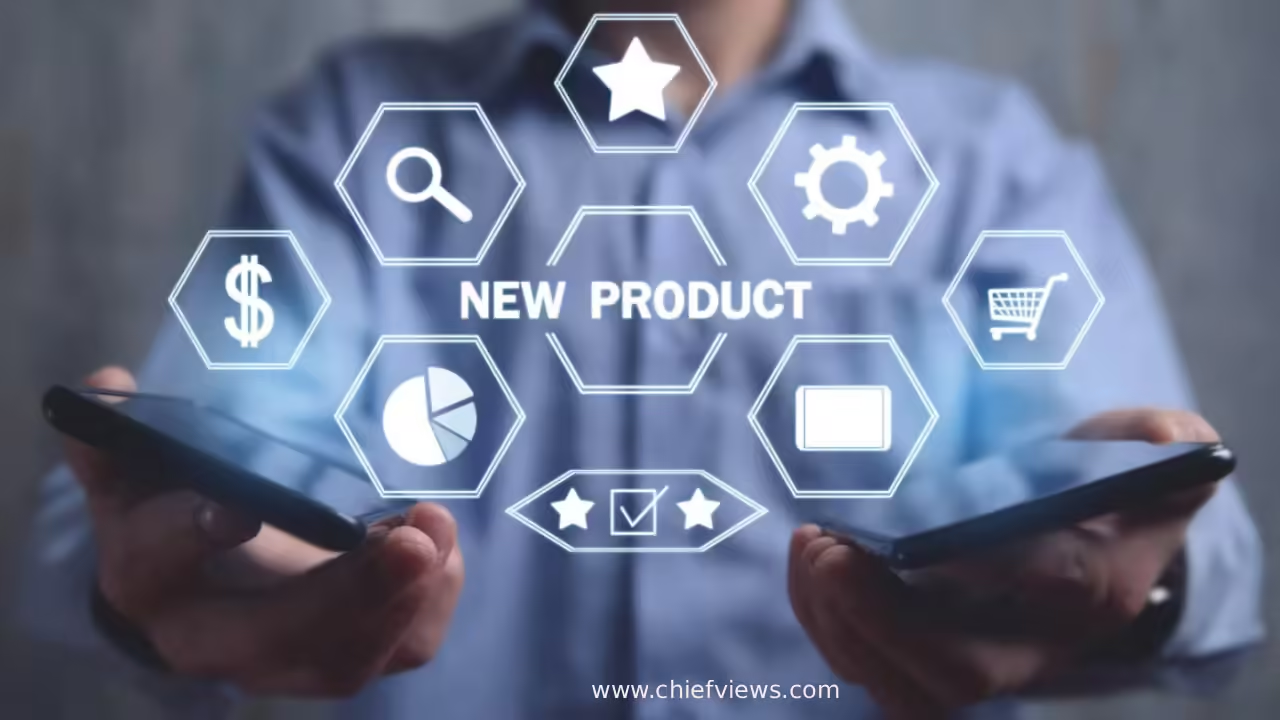
Building digital product ownership models is how technology organizations stop delivering projects and start owning outcomes that show up on the P&L.
Here is the quick version of what this actually means and why it matters right now:
- Project models form temporary teams, deliver something, then disband. Ownership evaporates.
- Product ownership models create stable, cross-functional teams that stay with a digital offering for its full life—discovery, delivery, operation, improvement, and eventual retirement.
- These teams own adoption, unit economics, customer outcomes, and total cost of ownership.
- The shift is a core part of the broader CIO evolution from IT operations to business outcomes and P&L.
- Done well, it turns technology from a cost center into a continuous value engine.
Most large organizations still run the old way. The ones pulling ahead treat digital capabilities as products with clear owners who live or die by results.
Why Project Delivery No Longer Cuts It
Building digital product ownership models Traditional IT project thinking optimizes for scope, schedule, and budget. Once the system launches, the team moves on. Feedback loops break. Technical debt piles up. Business sponsors complain that “IT delivered the system but not the value.”
Digital products do not work that way. A customer portal, a pricing engine, an AI-assisted claims process, or an internal developer platform keeps evolving. Markets change. Customer behavior shifts. Models improve. The organization that treats these as one-and-done projects loses.
In my experience, the companies that keep project funding and temporary teams while claiming they want product outcomes end up with the worst of both worlds—slow decision-making plus weak accountability. Real ownership requires permanence, decision rights, and commercial metrics.

Building Digital Product Ownership Models That Work
A solid model has four non-negotiable pieces: clear product definition, stable teams with real authority, outcome-based funding, and clean separation between products and platforms.
Here is a practical comparison:
| Element | Project Model | Digital Product Ownership Model |
|---|---|---|
| Team structure | Temporary, forms and dissolves | Stable, cross-functional, stays for the product life |
| Success metrics | On-time, on-budget, on-scope | Adoption, revenue impact, unit economics, outcomes |
| Decision rights | Often escalated or committee-driven | Product owner (or trio) has clear final say |
| Funding | Annual or project-based | Continuous, tied to value cases and results |
| Accountability horizon | Ends at launch | Full lifecycle including operations and retirement |
| Business-technology link | Handoffs and tickets | Shared ownership of results |
Building digital product ownership models Research from McKinsey and others has repeatedly shown that organizations with strong digital-product focus deliver higher shareholder returns, better operating margins, and significantly faster time to market than those still stuck in pure project mode.
Gartner has also framed the move to product-centric operating models as a necessary response for CIOs under pressure to prove relevance and growth contribution rather than just defend cost.

Step-by-Step Action Plan for Getting Started
If you are still mostly project-based, do not try to flip the entire portfolio overnight. Here is a sequence that works in real organizations.
- Define your first set of digital products carefully.
Start with 3–5 offerings that have clear customer or internal users, ongoing value potential, and enough complexity to justify a dedicated team. Avoid pure infrastructure projects. Good candidates: customer-facing digital channels, data products, AI-enabled workflows, or developer platforms. - Assign a single accountable owner (or a tight product trio).
One person must have final decision rights on priorities and scope. Many high-performing teams use a product manager + design + engineering lead trio that decides together but still has clear escalation paths. Ambiguity kills ownership. - Stand up stable, cross-functional teams.
Keep the same core people across discovery, delivery, and run. Include business subject-matter experts, not just technologists. Continuity compounds knowledge and speed. - Switch funding from projects to products.
Fund the product team against a value case and expected outcomes. Review results regularly. Give the team authority to reallocate inside their envelope. Kill or pivot underperforming work without waiting for the next annual budget cycle. - Separate product teams from platform teams.
Product teams own the customer or business outcome. Platform teams own shared capabilities (identity, data services, deployment pipelines, AI infrastructure) measured on reliability, reuse, and unit economics. This separation prevents every product from reinventing the same wheels. - Install outcome metrics and kill criteria from day one.
Track adoption, contribution to revenue or cost reduction, customer satisfaction, and total cost of ownership. Define in advance when a product gets more investment, stays flat, or gets retired. - Connect the model to broader commercial accountability.
This is where building digital product ownership models directly supports the CIO evolution from IT operations to business outcomes and P&L. Product owners should be able to speak fluently about how their product moves the numbers the business actually cares about.
Building digital product ownership models Run one or two products this way for two quarters. Capture the differences in speed, quality, and business conversation. Use that evidence to expand.
Common Mistakes and How to Fix Them
Mistake 1: Renaming project managers as product owners without changing decision rights or funding.
Titles change. Behavior does not. Fix it by rewriting the RACI so the product owner has real authority on prioritization and by shifting the budget to the product, not the project request.
Mistake 2: Creating too many products too fast.
Everything becomes a “product” and the model collapses under coordination cost. Start narrow. Expand only after the first teams demonstrate clear results.
Mistake 3: Keeping platform work buried inside product teams.
You get duplicated infrastructure, inconsistent security, and rising costs. Explicitly fund and measure platform teams separately.
Mistake 4: Measuring only delivery velocity.
Velocity without outcomes is just busy work. Tie incentives and reviews to business results and adoption, not story points.
Mistake 5: Leaving the business side as pure “customers” of IT.
True ownership requires business people inside the team or tightly partnered with clear shared metrics. Otherwise you recreate the old order-taker dynamic.
Key Takeaways
- Building digital product ownership models replaces temporary project teams with stable teams that own a digital offering end-to-end.
- Clear product definition, decision rights, continuous funding, and product-versus-platform separation are non-negotiable.
- The model is a practical mechanism for the larger shift of CIOs from pure operations to business outcomes and P&L accountability.
- Start small with 3–5 well-chosen products, prove the difference, then scale.
- Outcome metrics and kill criteria must be defined before the teams launch.
- Platform teams free product teams to focus on customer and business value instead of reinventing shared capabilities.
- Organizations that make this shift consistently show better speed, higher quality, and stronger commercial results.
Building digital product ownership models The companies still running pure project factories will keep delivering systems while wondering why the business is not happier. The ones that treat digital capabilities as owned products with commercial accountability will keep compounding advantage.
Pick your first three products this quarter. Assign real owners. Fund them differently. The rest of the operating model will follow the results.
FAQs
What is the biggest difference between a project manager and a digital product owner?
A project manager optimizes for delivering a defined scope on time and budget. A digital product owner optimizes for ongoing outcomes—adoption, value, unit economics—and has authority to change direction based on learning.
How does building digital product ownership models support CIO evolution from IT operations to business outcomes and P&L?
It creates the structural accountability that lets technology leaders move from “we delivered the system” to “we own the results that show up in revenue, margin, or cost.” That is the practical bridge many organizations need.
Do all technology efforts need to become products?
No. One-time infrastructure migrations or pure compliance work often still fit a project model. Reserve product ownership for capabilities that require continuous evolution and generate ongoing business value.

