








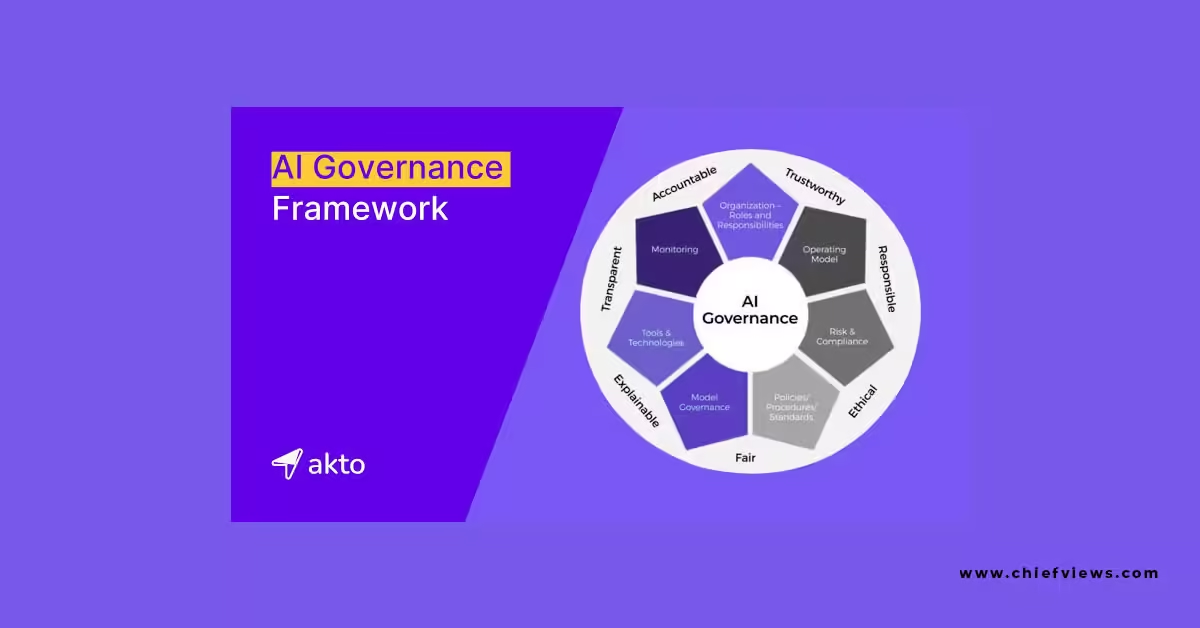
CHRO AI governance framework 2026 is the operating system that keeps AI useful without letting it run wild. It defines decision rights, data boundaries, human override paths, and audit trails so agents can handle routine work while high-stakes calls stay with people. Get this right and the technology stays quiet. Get it wrong and you inherit bias complaints, compliance gaps, and managers who quietly ignore the tools.
Here’s the practical overview:
- Clear rules on what AI can decide alone, what needs human approval, and what stays fully human.
- Named owners for every significant use case that touches employees or candidates.
- Lightweight logging that supports audits without creating new admin work.
- Built-in challenge rights so employees can question outcomes that affect them.
- Direct connection to the broader goal of making infrastructure disappear—see the CHRO guide to making HR AI infrastructure invisible 2026 for how governance and invisible design reinforce each other.
Most companies still govern AI like a software project. That approach creates visible friction and slows adoption. The 2026 version treats governance as the invisible guardrail that lets the rest of the system stay out of sight.
Why a Dedicated CHRO AI Governance Framework Matters Now
CEOs expect CHROs to own the people side of AI transformation. That ownership only works when decision rights are explicit. Without them, agents drift into gray areas, managers invent workarounds, and legal risk piles up quietly.
Recent Conference Board data shows only a small share of U.S. CHROs feel fully prepared to lead AI-driven change. The gap often sits in governance, not technology. Teams buy capable tools, then discover no one owns the rules for when an agent can act, what data it may use, or how an employee challenges a result.
A solid CHRO AI governance framework 2026 closes that gap. It sits between strategy and daily operations. It does not slow the work. It removes the ambiguity that causes slowdowns later.



Core Components of a Practical Framework
Four elements form the backbone.
Decision rights matrix.
List the major HR workflows that involve AI. For each one, mark three levels: agent-only, agent recommends + human approves, fully human. Keep the list short and update it quarterly. Recruiting screening, leave policy answers, and skills matching usually start in the recommend-and-approve column. Promotion signals and performance ratings stay human longer.
Data and model boundaries.
Define what employee data agents may touch and what stays off-limits. Require vendors to confirm training data boundaries and retention rules. Document the model version in use for every production workflow so you can roll back if needed.
Human override and challenge path.
Every employee-facing outcome that affects pay, opportunity, or status needs a clear way to question it. Publish the path once. Make it simple. Track how often it gets used—that number tells you whether the system is working or creating quiet resentment.
Ownership and review cadence.
Assign a named owner for each major use case. Hold a short monthly review with the CIO or chief data officer. Cover exceptions, accuracy drift, and any new use cases that appeared without formal approval. Keep the meeting under thirty minutes.
These four pieces keep governance light enough to scale and strong enough to protect the organization.
Step-by-Step Build Plan
- Inventory every AI touchpoint that already exists in HR. Include vendor features, internal pilots, and shadow tools managers built themselves. You cannot govern what you cannot see.
- Draft the decision rights matrix with a small working group that includes HR, legal, and IT. Start with the five highest-volume workflows. Debate the boundaries in the room so the final version carries shared ownership.
- Map data flows for those five workflows. Note where sensitive fields enter the process and where they leave. Redact or mask anything that is not required for the decision.
- Write the challenge path in plain language and test it with a few employees. If people cannot understand it in under a minute, rewrite it.
- Name owners and schedule the first monthly review. Put the owners in the calendar invite so accountability is visible.
- Pilot the full framework on one workflow for sixty days. Measure override rates, accuracy, and manager feedback. Adjust before expanding.
- Publish a one-page version of the framework for managers and a longer version for the audit file. Keep the public version short so people actually read it.
This sequence produces a living framework rather than a binder that sits on a shelf.
Common Mistakes and How to Fix Them
Mistake: Treating governance as a one-time policy document.
Fix: Build the quarterly review into the operating rhythm from day one. Governance that does not evolve becomes outdated inside six months.
Mistake: Making the rules so restrictive that agents become useless.
Fix: Start conservative on high-stakes decisions and expand agent authority only after accuracy and override data prove the system is stable.
Mistake: Leaving middle managers out of the design.
Fix: Bring three or four respected managers into the working group that drafts the decision rights matrix. They will spot friction the central team misses.
Mistake: Focusing only on compliance and ignoring adoption.
Fix: Track both risk metrics and usage metrics. A perfectly governed system that no one uses has failed.
Mistake: Ignoring the link between governance and invisible infrastructure.
Fix: Design the rules so they stay in the background. Employees should never see the controls; auditors should always be able to pull them. The CHRO guide to making HR AI infrastructure invisible 2026 shows how these two efforts reinforce each other.
Comparison Table: Lightweight vs Heavy Governance
| Element | Heavy Approach | Lightweight (2026) Approach | Result |
|---|---|---|---|
| Decision rights | Long policy documents | One-page matrix updated quarterly | Faster clarity, less confusion |
| Employee visibility | Frequent disclaimers and pop-ups | Backend logging only | Higher adoption, cleaner experience |
| Review cadence | Annual compliance audit | Monthly 30-minute operating review | Issues caught early |
| Override process | Formal written appeal | Simple, published path with tracking | Real feedback loop |
| Ownership | Committee or “HR owns it” | Named individual per major use case | Clear accountability |
| Link to infrastructure | Separate workstream | Designed to stay invisible | Seamless employee experience |
The lightweight column wins on both speed and risk reduction.
Key Takeaways
- A CHRO AI governance framework 2026 defines decision rights, data boundaries, override paths, and ownership so AI can operate without constant supervision.
- Start with an inventory of existing touchpoints—including shadow tools—before writing any rules.
- Keep the public version of the framework short; keep the audit version complete.
- Measure both risk and adoption. Governance that kills usage has failed.
- Update the decision rights matrix on a fixed quarterly cadence.
- Design the rules to stay invisible to employees while remaining fully visible to auditors.
- Connect the framework directly to infrastructure design so the two efforts reinforce each other rather than compete for attention.
Strong governance is the quiet foundation that lets the rest of the AI system disappear into the background. Build the framework once, keep it light, and review it on a steady rhythm. The result is faster, safer, and more trusted use of AI across the workforce.
FAQs
What should a CHRO AI governance framework 2026 include as minimum requirements?
A solid CHRO AI governance framework 2026 needs four core pieces: a decision-rights matrix that shows what agents can do alone versus what needs human approval, clear data boundaries, a simple employee challenge path, and named owners for every major use case. These elements keep risk low while still allowing the technology to stay in the background—exactly the approach outlined in the CHRO guide to making HR AI infrastructure invisible 2026.
How often should the CHRO AI governance framework be reviewed?
Review the framework every month in a short operating meeting and formally update the decision-rights matrix every quarter. Monthly checks catch accuracy drift and new shadow tools quickly; the quarterly update keeps the rules current without creating heavy process overhead.
Can a lightweight CHRO AI governance framework still satisfy auditors and regulators?
Yes. Lightweight does not mean incomplete. Keep full logs, model version records, and data-flow maps in the audit file while presenting employees with a one-page version. Auditors get the detail they need; employees never see the controls. This balance is what lets the infrastructure stay invisible in daily work.

