








Cloud-Native Architecture Patterns That Actually Work in 2026 :
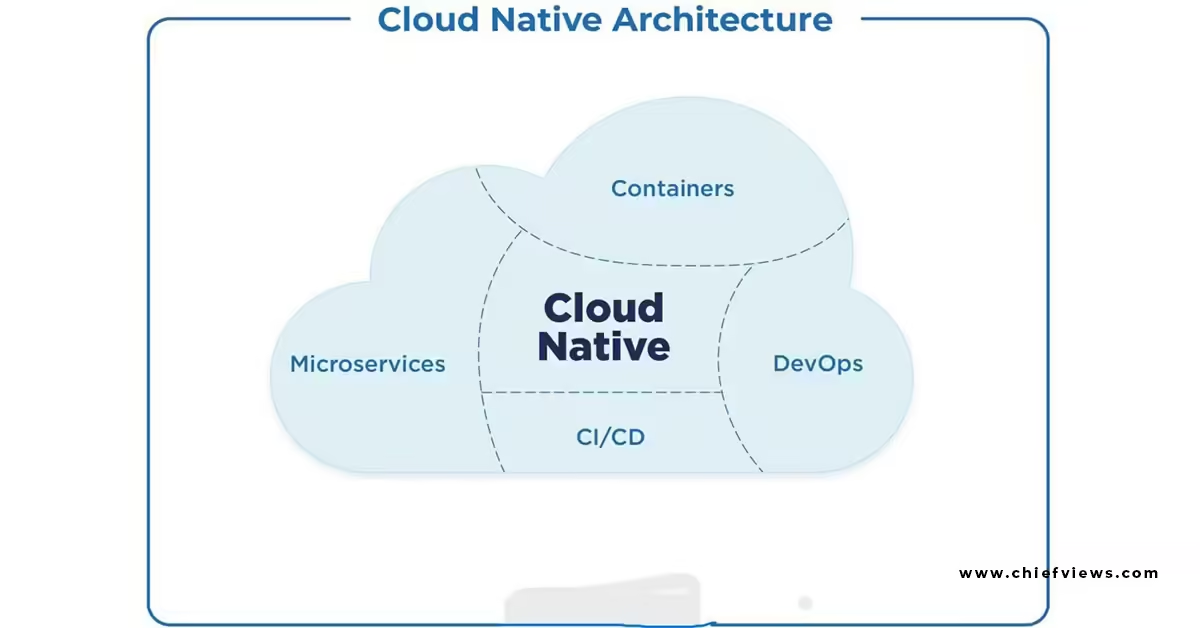
Cloud-native architecture patterns are the practical building blocks that turn “we moved to the cloud” into systems that scale, recover, and change without drama. These patterns matter most when you’re modernizing older systems. They give you proven ways to break apart monoliths, isolate failures, and ship updates without taking the whole business offline.
If you’re already following a solid CTO guide to modern tech stack and legacy modernization, these patterns are the next layer. They show exactly how to design the new pieces so the old system can shrink safely over time.
Why Cloud-Native Patterns Beat Generic “Microservices”
Plenty of teams declare victory after containerizing a monolith and calling it cloud-native. That rarely works. True cloud-native design assumes failure, independent scaling, and frequent change. The patterns below deliver those properties without forcing every team into the same rigid structure.
Here’s the short list that consistently shows up in successful 2026 systems:
- API Gateway for controlled entry points
- Event-driven architecture for loose coupling
- Circuit Breaker and retries for resilience
- Strangler Fig for gradual replacement
- CQRS and Saga for data and transactions
- Service Mesh when traffic complexity grows

Core Cloud-Native Architecture Patterns
1. API Gateway
One controlled front door for clients. It handles routing, authentication, rate limiting, and request transformation. Clients stop talking directly to every service. You gain a single place to enforce policy and observe traffic.
2. Event-Driven Architecture
Services publish events instead of calling each other synchronously. An order service emits “OrderPlaced.” Inventory, payment, and notification services react independently. This removes the chain of waiting that turns small outages into large ones. Tools like Kafka or cloud-native event buses make the pattern practical at scale.
3. Circuit Breaker
When a downstream service starts failing, the circuit opens and fails fast instead of waiting. After a cooldown, it tests the connection again. Combined with smart retries and timeouts, this pattern stops cascading failures.
4. Strangler Fig
The most useful pattern for legacy work. You wrap the old system with new interfaces, route selected traffic to modern services, and gradually move more functionality. The legacy code shrinks instead of disappearing in one risky cutover. This is the pattern that makes a CTO guide to modern tech stack and legacy modernization realistic instead of theoretical.
5. CQRS (Command Query Responsibility Segregation)
Separate the write model from the read model. Commands update the system of record. Queries hit optimized views or projections. This shines when read volume far exceeds writes or when different teams own different sides of the data.
6. Saga Pattern
Distributed transactions without distributed locks. A saga coordinates a series of local transactions across services. If one step fails, compensating actions undo the previous work. You trade strong consistency for availability and independence.
7. Service Mesh
When service-to-service traffic grows complex, a mesh (Istio, Linkerd, or managed equivalents) handles mTLS, retries, observability, and traffic shifting outside the application code. Use it when the operational burden of doing these things in every service becomes too high.
How These Patterns Fit Legacy Modernization
Most modernization programs fail because teams try to rewrite everything at once or lift-and-shift without changing the design. Cloud-native patterns give you a safer sequence.
Start with an API Gateway in front of the legacy system. Add event publication for high-value flows. Introduce the Strangler Fig so new capabilities live outside the old codebase. Apply Circuit Breakers around the remaining legacy calls. Only then consider CQRS or full Sagas for the pieces that need independent scaling.
This sequence keeps the business running while the architecture improves. It matches the phased approach recommended in any practical CTO guide to modern tech stack and legacy modernization.
Practical Implementation Tips
- Prefer managed cloud services for the messaging and gateway layers first. You get reliability without building everything yourself.
- Make every service own its data. Shared databases recreate the monolith in disguise.
- Instrument early with OpenTelemetry. Patterns only help if you can see what is happening.
- Treat patterns as tools, not religion. A modular monolith with clear boundaries often outperforms poorly designed microservices.
- Test failure paths deliberately. The value of Circuit Breakers and Sagas only appears when things break.
Common Pitfalls to Avoid
Teams often add a service mesh before they have real traffic problems. They introduce CQRS without clear read-vs-write pain. They publish events without versioning or clear ownership. The result is complexity without the benefits.
Another frequent miss: treating the Strangler Fig as a one-time project instead of a continuous practice. The pattern works best when every new feature is evaluated for placement outside the legacy core.
Choosing Patterns for Your Context
| Pattern | Best Starting Point | Complexity | Primary Benefit |
|---|---|---|---|
| API Gateway | Any external-facing system | Low | Control and visibility |
| Event-Driven | High coupling between services | Medium | Independence and scale |
| Circuit Breaker | Any remote dependency | Low | Failure isolation |
| Strangler Fig | Legacy modernization | Medium | Safe incremental replacement |
| CQRS | Read-heavy or divergent models | Higher | Performance and team autonomy |
| Saga | Cross-service business transactions | Higher | Consistency without locking |
| Service Mesh | Large number of services | Higher | Operational consistency |
Moving Forward
Cloud-native architecture patterns are not a checklist to complete. They are decisions that should reduce risk and increase delivery speed. Pick the smallest set that solves your current pain, implement them cleanly, measure the results, and expand only when the data justifies it.
When these patterns sit inside a broader modernization plan, the difference becomes obvious. Teams stop fighting the old system and start shipping the next capability. That is the real outcome of combining solid cloud-native design with a clear CTO guide to modern tech stack and legacy modernization.
Start with the gateway and the strangler. Everything else becomes easier once those two are in place.
Key Takeaways
- Cloud-native patterns succeed when they reduce coupling and isolate failure—not when every service is forced into microservices.
- The Strangler Fig pattern is the most practical bridge from legacy systems to modern architecture and pairs directly with a CTO guide to modern tech stack and legacy modernization.
- Start with API Gateway + Circuit Breaker + event-driven communication before adding higher-complexity patterns such as CQRS or a full service mesh.
- Every service should own its data; shared databases recreate the monolith.
- Measure release speed, failure isolation, and operational load after each pattern is introduced—only expand when the numbers justify it.
- Treat patterns as tools, not dogma. A clean modular monolith often outperforms poorly designed microservices.
- Observability (OpenTelemetry) and deliberate failure testing are non-negotiable once you move beyond a single deployable unit.
FAQs
What is the single most useful cloud-native architecture pattern for legacy modernization?
The Strangler Fig pattern. It lets you wrap the existing system, route selected traffic to new services, and shrink the legacy footprint over time without a risky big-bang cutover. This is the pattern that makes a CTO guide to modern tech stack and legacy modernization executable in the real world.
Do I need a service mesh to be considered cloud-native?
No. A service mesh solves real problems at scale (mTLS, advanced traffic control, consistent observability), but most teams should start with an API Gateway, Circuit Breakers, and event-driven messaging. Add a mesh only when the operational cost of handling those concerns inside every service becomes higher than running the mesh itself.
How do CQRS and the Saga pattern fit into everyday cloud-native work?
Use CQRS when read and write traffic have very different performance or ownership needs. Use the Saga pattern when a business process spans multiple services and you need coordinated outcomes without distributed locks. Both are higher-complexity tools—introduce them only after the simpler patterns are stable and the pain is clear.
