






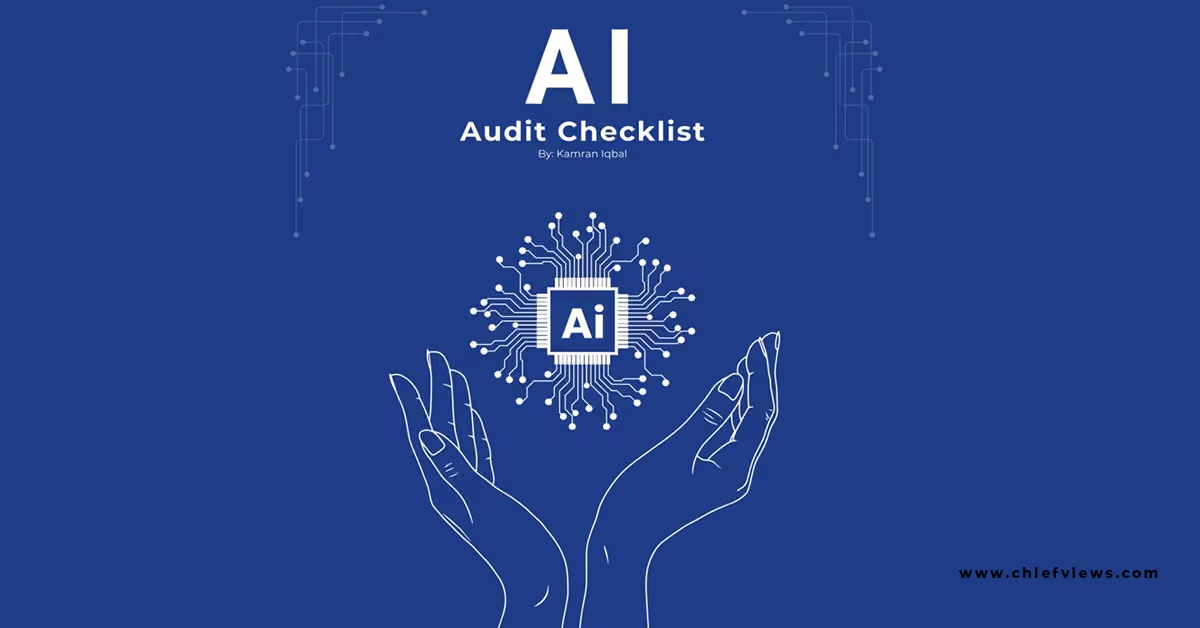
An AI bias audit checklist for HR teams isn’t optional paperwork anymore. It’s the difference between catching a discriminatory hiring algorithm yourself and explaining it to a regulator after a candidate complaint.
Here’s the quick version for anyone skimming:
- An AI bias audit checks whether an automated HR tool produces different outcomes across race, sex, age, or disability groups.
- NYC Local Law 144 has required independent bias audits of automated employment decision tools since July 2023 — and it’s still actively enforced.
- The EEOC has made clear that existing civil rights law applies to AI-driven hiring, even without AI-specific federal legislation.
- A proper checklist covers data sourcing, statistical testing, documentation, and — critically — a named human accountable for the result.
- Skipping this isn’t a tech risk. It’s a legal and reputational one, and it lands on HR’s desk either way.
Why HR Teams Need a Formal Bias Audit Process Now
Let’s be honest about where most HR teams are. They bought an AI-powered applicant tracking tool, flipped it on, and moved on. Nobody checked what the model was actually optimizing for.
That gap is exactly where lawsuits start. The EEOC has stated repeatedly that Title VII, the ADA, and the ADEA apply fully to algorithmic hiring decisions — there’s no AI carve-out in federal civil rights law. New York City went further and codified it: Local Law 144 requires any employer using an “automated employment decision tool” on NYC-based candidates to get an independent bias audit, publish the results, and notify candidates.
Illinois, Colorado, and a growing list of states are following that same pattern. The direction of travel is obvious. Audit now, or explain later why you didn’t.



What an AI Bias Audit Checklist for HR Teams Actually Covers
A real audit isn’t a gut check. It’s a structured review across four areas, and skipping any one of them leaves a hole big enough for a plaintiff’s attorney to drive through.
1. Data and Training Set Review
Where did the model learn its patterns? If it trained on ten years of resumes from a workforce that skewed heavily toward one demographic, it probably learned that pattern too — not because anyone intended bias, but because historical data carries historical imbalance.
2. Statistical Disparate Impact Testing
This is the math part. Auditors typically apply the “four-fifths rule” long used in federal employment guidelines — if a protected group’s selection rate falls below 80% of the highest-scoring group’s rate, that’s a red flag worth investigating further.
3. Documentation and Disclosure
Under Local Law 144, employers must publish a summary of audit results and notify candidates that an AI tool is in use. Even outside NYC, keeping a clean audit trail is what separates “we have governance” from “we have a vendor contract.”
4. Human Accountability Layer
This is the piece most checklists miss entirely, and it’s exactly where how CHRO can operationalize AI with human accountability becomes the operating model, not just a policy statement. A bias audit means nothing if no human is assigned to act on the findings.
The Full Checklist, Step by Step
Use this as a working sequence, not a one-time event.
- Inventory every AI tool touching a hiring, promotion, or termination decision. You can’t audit what you haven’t listed.
- Classify each tool by decision impact. High-impact tools (hiring, pay, termination) get full audits; low-impact ones (scheduling) get lighter review.
- Pull the demographic breakdown of inputs and outcomes. Compare selection rates across race, sex, age, and disability status.
- Run the four-fifths calculation on each protected category. Flag anything below the 80% threshold for deeper review.
- Bring in an independent auditor for high-impact tools. Local Law 144 explicitly requires this isn’t done in-house for covered tools.
- Document findings in plain language. Publish a summary if legally required; keep full detail on file regardless.
- Assign a human owner to respond to flagged results. No owner, no accountability — this is the step tied directly to how CHRO can operationalize AI with human accountability across the organization.
- Set a re-audit cadence. Annually at minimum, and immediately after any model update or vendor change.
Quick Reference: Audit Scope by Tool Risk Level
| Tool Risk Level | Example Use Case | Audit Frequency | Who Signs Off |
|---|---|---|---|
| High | Resume screening, hiring rank, promotion scoring | Annual + independent audit | CHRO-designated owner + legal |
| Medium | Performance review sentiment scoring | Annual internal review | HR analytics lead |
| Low | Meeting scheduling, FAQ chatbots | Periodic spot check | Team manager |

Common Mistakes in AI Bias Auditing — and the Fix
| Mistake | Why It Happens | The Fix |
|---|---|---|
| Treating vendor “fairness certification” as sufficient | Easier to trust the vendor’s marketing than run your own numbers | Employers hold legal responsibility regardless of vendor claims — verify independently |
| Auditing once at launch, never again | Feels like a box already checked | Re-audit annually and after every model update, per Local Law 144’s standard |
| No clear owner for audit findings | Audit results land in a shared drive, not an action plan | Assign a named accountable person — this is the accountability layer at the core of how CHRO can operationalize AI with human accountability |
| Measuring only overall accuracy, not subgroup accuracy | Aggregate numbers look fine; subgroup gaps hide inside them | Break results out by race, sex, age, and disability status every time |
What I’d Do If I Were Starting From Zero
Honestly? I’d skip the big enterprise governance platform pitch for month one. Start with a spreadsheet. List every tool, who owns it, and when it was last checked for disparate impact.
That unglamorous spreadsheet tells you more in a week than a six-figure compliance suite tells you in a quarter. Build the sophistication once you know where your actual gaps are.
Key Takeaways
- An AI bias audit checklist for HR teams needs four pillars: data review, statistical testing, documentation, and human accountability.
- NYC Local Law 144 already mandates independent bias audits for covered hiring tools — treat it as the baseline, not the ceiling.
- The EEOC has confirmed existing civil rights law applies to AI hiring tools, audit requirement or not.
- The four-fifths rule remains a practical, defensible starting metric for disparate impact testing.
- Vendor compliance claims don’t transfer legal responsibility to the vendor — it stays with the employer.
- A named human owner for every flagged result is non-negotiable; this is where how CHRO can operationalize AI with human accountability turns audit data into real action.
- Annual re-audits, plus checks after any model change, keep the process from going stale.
Running a bias audit once and filing it away isn’t protection — it’s a false sense of security. Build the checklist, assign the owner, and rerun it on a schedule. That’s what turns a compliance document into an actual defense.
FAQs
How often should HR teams run an AI bias audit?
At minimum, annually for high-impact tools, and immediately after any significant model update — NYC Local Law 144 sets this cadence as a legal floor, not a best-practice suggestion.
Can a vendor’s own bias testing replace an independent audit?
No. Under Local Law 144 and similar laws, vendor self-testing doesn’t satisfy the independent audit requirement, and legal liability stays with the employer regardless of vendor assurances.
How does a bias audit connect to how CHRO can operationalize AI with human accountability?
The audit surfaces the risk; human accountability is what actually fixes it — assigning a named owner to review flagged results and decide on corrective action is the practical core of how CHRO can operationalize AI with human accountability.
